

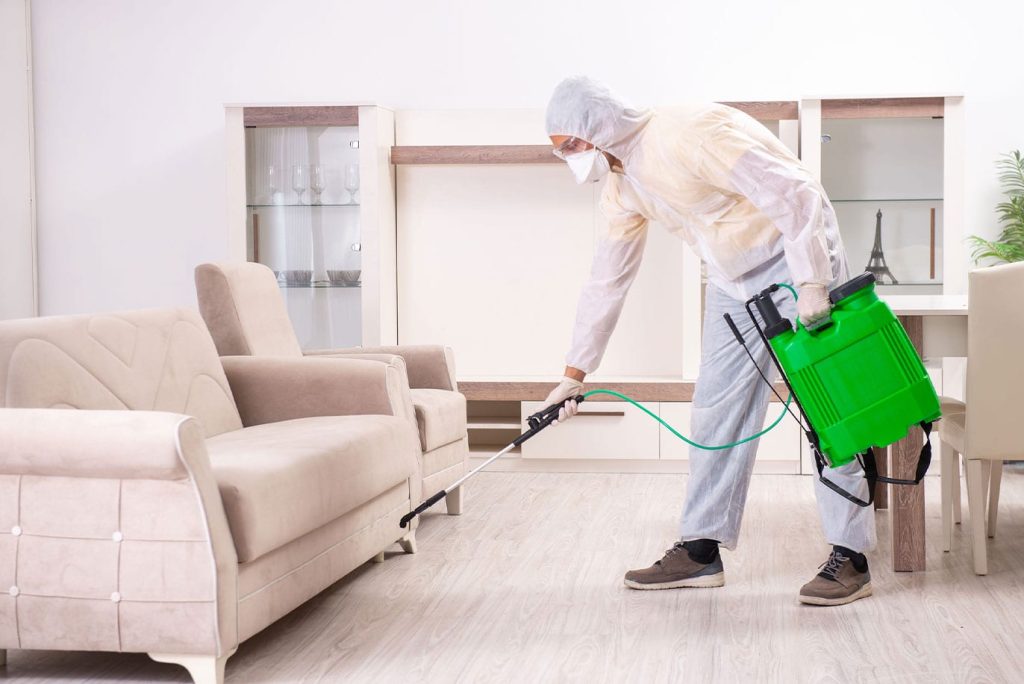
Dealing with household pests can be an exhausting and expensive battle. Many homeowners find themselves trapped in a cycle of spraying chemicals, witnessing a temporary disappearance of bugs, and then watching them return a few weeks later. The truth is that the commercial pest control industry thrives on repeat business, which means the most effective long-term prevention strategies are rarely broadcasted.
True pest management relies on understanding biology, behavior, and structural vulnerability rather than just relying on a can of bug spray. By adopting a proactive and informed approach, you can outsmart pests before they establish a foothold in your living space. Here are ten critical pest control secrets that every homeowner should keep in mind to maintain a pest-free environment.
1. The Quarter-Inch Rule for Exclusion
Most homeowners underestimate just how small an opening needs to be for a pest to enter. A young mouse can squeeze through a hole the size of a dime (about a quarter of an inch), while insects like cockroaches and ants require mere millimeters.
-
Inspect the Foundation: Walk around the perimeter of your home and look for gaps where utility lines, pipes, or cables enter the structure.
-
Seal with the Right Materials: Do not rely on standard caulk or expanding foam alone, as rodents can easily chew through them. Use a combination of steel wool or copper mesh wedged tightly into the gap, and then seal it with a high-quality silicone or polyurethane caulk.
-
Check Door Sweeps: If you can see daylight underneath your exterior doors, the gap is large enough for spiders, crickets, and mice to walk right in. Install heavy-duty nylon or rubber door sweeps.
2. Pests Seek Moisture Long Before They Seek Food
While keeping a clean kitchen is important, water is actually the primary driver for most pest infestations. Ants, cockroaches, termites, and silverfish cannot survive long without a reliable moisture source.
-
Fix Hidden Leaks: A slow drip under the kitchen sink or a sweating pipe behind a bathroom wall creates a perfect microclimate for pests.
-
Manage Humidity: Basements and crawlspaces are notorious breeding grounds. Keep the relative humidity in these areas below 50 percent by using dehumidifiers and ensuring proper ventilation.
-
Clean the Gutters: Clogged gutters cause water to back up against the roofline and fascia boards, leading to softened wood that invites carpenter ants and termites.
3. Landscaping Decisions Directly Impact Indoor Infestations
The exterior of your home dictates what happens on the interior. When trees, shrubs, and mulch contact your siding, they act as literal highways for crawling insects to bypass your foundation defenses.
-
Maintain a Buffer Zone: Keep all tree branches and bushes trimmed back at least two feet from the roofline and exterior walls.
-
Rethink Your Mulch: While wood mulch looks excellent in garden beds, it retains moisture and provides a ideal nesting ground for termites and ants. Keep mulch at least six inches away from the concrete foundation, or consider replacing it with inorganic materials like crushed stone or gravel next to the house.
-
Store Firewood Away: Never stack firewood against the side of the house or inside the garage. Keep it elevated and placed at least 20 feet away from the structure.
4. The Kitchen Counter Is Just the Tip of the Iceberg
Seeing a single trailing line of ants on your counter does not mean the problem is localized to that specific spot. Spraying those visible ants with a standard contact killer spray actually worsens the problem long-term.
-
Avoid Contact Sprays: When you spray foraging ants, the colony senses danger. This triggers a process called budding, where the queen splits the colony into multiple smaller units, spreading the infestation deeper into your walls.
-
Use Slow-Acting Baits: Gel baits and bait stations work because they exploit the social behavior of pests. Foraging insects consume the bait, carry it back to the hidden nest, and share it with the queen and the rest of the colony, eliminating the source.
5. Cardboard and Paper Are Gourmet Pest Meals
Many homeowners use old Amazon boxes, grocery bags, and shoeboxes to store items in their basements, attics, or garages. To pests like silverfish, cockroaches, and mice, cardboard is both a premium food source and an excellent nesting material.
-
The Glue Factor: The corrugated adhesive used to hold cardboard boxes together is rich in starch, which attracts silverfish and roaches.
-
Switch to Plastic: Transition your storage items into heavy-duty plastic bins with tightly sealing lids. This simple change denies pests a food source and keeps your belongings safe from nesting rodents.
6. Regular Vacuuming Disrupts Pest Life Cycles
A vacuum cleaner is one of the most underrated pest control tools in your arsenal. Beyond picking up visible crumbs, frequent vacuuming physically removes microscopic insect eggs, larvae, pupae, and the skin flakes or hair that sustain them.
-
Focus on Baseboards and Crevices: Run the vacuum attachment along the edges of carpets, underneath furniture, and behind appliances where pests prefer to hide undisturbed.
-
Target Fleas and Carpet Beetles: Regular vacuuming breaks the reproductive cycle of fleas and beetles by removing the eggs before they can hatch into the carpet fibers. Always empty the vacuum canister or bag into an outdoor trash can immediately after use.
7. Direct Sunlight and Airflow Are Natural Deterrents
Pests thrive in dark, stagnant, and undisturbed environments. By altering the environmental conditions of a room or storage area, you make it fundamentally unhospitable to survival.
-
Rotate Stored Items: Periodically move items around in your attic or garage to disrupt potential nesting sites.
-
Open the Blinds: Allowing natural sunlight into rarely used rooms helps deter pests like clothes moths and carpet beetles, which actively avoid brightly lit environments.
-
Utilize Fans: Increasing airflow in damp areas dries out the micro-environments that silverfish and booklice require to survive.
8. Outdoor Lighting Choices Attract the Wrong Crowd
Standard incandescent and halogen porch lights emit wavelengths of light that are highly attractive to flying nocturnal insects. These insects then congregate near your entryways, waiting for you to open the door so they can fly inside.
-
Switch to Yellow LED Bulbs: Insects see light in the ultraviolet and blue spectrums. Yellow LED bulbs emit a warmer wavelength that is far less visible to most flying bugs, significantly reducing the swarm around your doors.
-
Position Security Lights Strategically: Instead of mounting bright floodlights directly above your doors or windows, mount them on poles further away from the house, pointing back toward the structure. This draws the bugs away from your actual entry points.
9. Ultrasonic Pest Repellers Are Ineffective
Many retail stores sell plug-in ultrasonic devices that claim to emit high-frequency sound waves that drive mice and insects away. Independent scientific studies have consistently proven that these devices have little to no long-term effect on pest behavior.
-
Habituation: While a sudden strange sound might briefly startle a rodent, they quickly become habituated to the noise when they realize it causes them no actual harm.
-
Physical Barriers Over Gadgets: Save the money you would spend on electronic gimmicks and invest it instead in physical exclusion materials like steel mesh, caulk, and weather stripping.
10. Termite Activity Stays Hidden Until Structural Damage Occurs
Subterranean termites do not wander around in the open. They live underground and travel through hidden mud tubes to consume the interior wood fibers of your home, leaving the exterior paint or drywall completely intact.
-
Look for Frass and Mud Tubes: Inspect your foundation walls for pencil-thin tubes made of mud. Check windowsills for discarded insect wings, which are left behind by termite swarmers looking to establish a new colony.
-
Maintain Sound Wood-to-Ground Contact: Ensure that no structural wooden elements of your home, such as porch posts, deck supports, or siding, come into direct contact with the soil. There should always be a visible concrete barrier separating the earth from your home’s woodwork.
Frequently Asked Questions
Can I completely eliminate pests using only DIY methods?
While DIY methods are highly effective for prevention and managing minor isolated issues, severe infestations often require professional intervention. Large-scale termite colonies, deeply entrenched bedbug infestations, or widespread rodent populations inside walls typically require commercial-grade equipment and specialized knowledge to fully eradicate safely.
How long do chemical pest barriers remain effective outside the home?
Most modern exterior pest control sprays are designed to break down naturally in the environment to minimize ecological impact. Typically, a professional residual spray barrier lasts between 60 to 90 days. Factors like heavy rainfall, direct sunlight exposure, and extreme heat can accelerate this breakdown process, requiring reapplication every season.
Why do I see an increase in pest activity right after a professional treatment?
It is completely normal to see an influx of pests immediately following a treatment. Many professional products contain flushing agents designed to irritate pests and force them out of their hidden nesting areas inside walls and crevices. As they emerge and encounter the residual product, they will die off over the subsequent days.
Is it safe to use commercial pesticides around domestic pets?
When applied strictly according to the manufacturer label instructions, most residential pesticides are safe for homes with pets. The critical rule is to keep pets entirely out of the treated area until the liquid product has completely dried, which usually takes one to two hours. Always remove pet food and water bowls before any application occurs.
How often should a typical homeowner perform a self-inspection for pests?
A comprehensive self-inspection should be performed at least four times a year, ideally at the change of each season. Pay special attention to the transition from winter to spring, when insect activity surges, and the transition from autumn to winter, when rodents actively seek warm indoor shelter.
Do professional pest control companies use different chemicals than what is available to the public?
Yes, professionals have access to commercial-grade concentrates, specialized baits, and insect growth regulators that require specific licensing to purchase and apply. Furthermore, professionals possess the training to identify the exact target species, allowing them to apply the correct dosage in precise locations rather than blindly broadcasting chemicals.