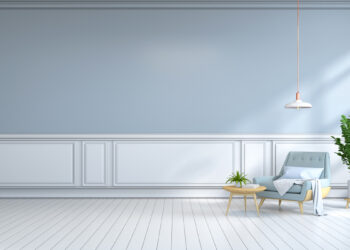


Creating a beautifully decorated home is not merely about filling a room with stylish furniture or matching the curtains with the cushions. It’s about crafting a living environment that exudes warmth, reflects personal taste, and balances functionality with aesthetic appeal. Whether you’re working with a blank canvas or refreshing an existing space, these curated decor tips will help you elevate your home with timeless elegance and refined sensibility.
Understanding the Essence of Decor
Before diving into design elements and accessories, it is essential to grasp the core philosophy of interior decoration. Good decor is an artistic blend of proportion, texture, color harmony, and spatial balance. It should tell a story—your story—while offering comfort and utility. The finest interiors don’t just look good; they feel right.
Begin with a Vision
Every great decor plan starts with clarity of purpose. Ask yourself:
-
What atmosphere do I want to create?
-
Who will use the space most frequently?
-
What are my color preferences and style inclinations?
Whether you prefer a classic, minimal, bohemian, or eclectic style, defining your vision early streamlines decision-making and keeps your project coherent.
Master the Art of Color Coordination
Color is one of the most powerful tools in interior design. It influences mood, enhances spatial perception, and unifies a room’s elements. Consider these tips:
-
Stick to a cohesive palette: Choose a primary base color and two to three complementary shades. This keeps the room harmonious and prevents visual clutter.
-
Use neutrals wisely: Creams, grays, and beiges provide a timeless foundation, allowing accent colors to pop without overwhelming the senses.
-
Introduce accent hues sparingly: Add personality through cushions, artwork, and décor items in bolder tones like emerald green, burnt orange, or deep navy.
Invest in Quality over Quantity
Rather than overcrowding your space with inexpensive pieces, invest in fewer but high-quality items that add lasting value. A well-crafted coffee table, a vintage armoire, or a luxurious rug can anchor a room and become conversation pieces.
-
Prioritize craftsmanship: Handmade or artisan products often carry a unique charm and durability.
-
Mix eras and materials: Combine vintage finds with modern fixtures, or pair marble with wood, to create visual depth and narrative interest.
Embrace Layered Lighting
Lighting is often the most overlooked aspect of decor, yet it has a transformative effect on ambiance. A well-lit space should feature layers:
-
Ambient lighting: General illumination, usually from ceiling lights or large floor lamps.
-
Task lighting: Directed lighting for specific tasks—think reading lamps or under-cabinet kitchen lighting.
-
Accent lighting: Highlights focal points like artwork, architectural features, or decorative objects.
Dimmer switches are a simple upgrade that allows you to adjust lighting according to mood and time of day.
Curate, Don’t Clutter
A refined interior feels intentional, not crowded. Resist the urge to fill every wall or surface. Instead, curate your space with care:
-
Edit ruthlessly: Keep only what you love and what serves a purpose.
-
Use negative space: Empty areas provide visual relief and spotlight focal elements.
-
Rotate decorative objects seasonally: This keeps the space feeling fresh without the need for constant shopping.
Textures and Fabrics Make the Difference
Texture adds tactile richness and visual intrigue to a room. Mix materials to avoid monotony:
-
Soft fabrics: Velvet cushions, wool throws, or linen drapes add warmth and comfort.
-
Hard textures: Incorporate wood, metal, or glass to contrast with softness.
-
Layered textiles: Combine rugs, pillows, and upholstery in varying materials for depth.
The Importance of Personal Touches
What sets a beautiful home apart from a well-decorated showroom is its soul. Incorporate items that reflect your personal history and passions:
-
Display art and photos: Showcase meaningful artwork or family portraits in well-chosen frames.
-
Collect intentionally: Whether it’s books, ceramics, or souvenirs from travels, display them with elegance and structure.
-
Incorporate nature: Fresh flowers, potted plants, or even dried branches bring life and movement into the room.
Scale and Proportion Matter
Selecting appropriately sized furniture and decor is vital. A small sofa in a large room looks lost, while oversized items can overwhelm compact spaces. Keep these principles in mind:
-
Visual balance: Arrange items so that one side of the room doesn’t feel heavier than the other.
-
Vary heights: Use tall floor lamps, mid-height chairs, and low tables to guide the eye naturally.
-
Create zones: Especially in open-plan layouts, use rugs and furniture arrangement to define areas for different activities.
Incorporate Scent and Sound
While often forgotten, scent and sound play a pivotal role in how a space feels. Consider:
-
Aromatherapy diffusers or scented candles with calming lavender or invigorating citrus.
-
Soft background music or sound systems integrated discreetly into your decor.
-
Water features like tabletop fountains can introduce a tranquil element.
Keep Evolving
Great decor is never stagnant. Allow your space to grow with you. As your tastes evolve, so too should your interiors. Seasonal updates, subtle rearrangements, and the occasional new piece keep the space engaging and reflective of your current self.
Final Thoughts
A beautifully decorated space is a blend of form, function, and feeling. It should express individuality while offering comfort, inviting both admiration and ease. By approaching your home with patience, intention, and a discerning eye, you can craft an interior that’s not only visually stunning but also deeply resonant. Whether you’re starting from scratch or refreshing a single room, let these decor tips serve as your timeless guide to elegance.