

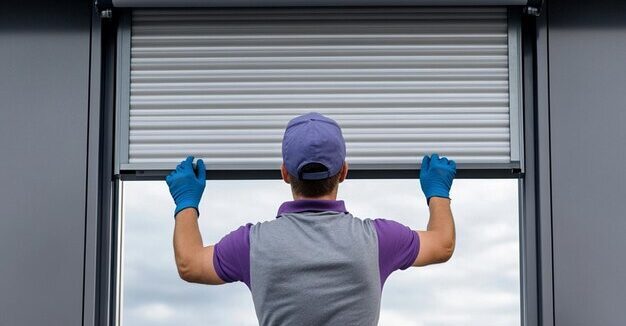
Property upgrades that combine security, efficiency, and visual appeal are always in demand. Among the most reliable options available today are roller shutters, which offer a strong balance of protection, insulation, privacy, and long-term durability. Once primarily used for warehouses and storefronts, these systems have evolved into sleek, adaptable installations suitable for residential homes, commercial buildings, and mixed-use spaces.
Understanding how roller shutters function, what materials are available, and how they contribute to everyday comfort can help property owners make confident, informed decisions.
What Are Roller Shutters?
Roller shutters are protective coverings made from horizontal slats that are linked together to form a continuous curtain. This curtain moves vertically along guide rails and rolls into a housing unit positioned above the window or door opening.
Core components typically include:
-
Interlocking slats made from aluminum, steel, or reinforced materials
-
Side guide tracks that ensure stable movement
-
A roller barrel or drum for storage when raised
-
An operating system, either manual or motorized
When fully lowered, the shutter creates a solid exterior barrier. When raised, it coils neatly into its housing, remaining discreet and space-efficient.
The mechanical simplicity of this design contributes to its reliability and longevity.
Security Benefits That Go Beyond Standard Locks
Security is one of the main reasons homeowners and business owners install roller shutters. While reinforced glass and deadbolts offer protection, shutters provide an additional external shield that significantly reduces vulnerability.
Physical Reinforcement
Closed shutters help protect against:
-
Forced entry attempts
-
Smash-and-grab theft
-
Vandalism
-
Accidental impact damage
Even if glass beneath the shutter is compromised, the barrier remains intact, preventing easy access.
Visible Deterrent Effect
Security is not just about resistance but also prevention. The presence of roller shutters signals that a property is well-protected. Opportunistic intruders often avoid buildings that appear difficult to breach.
For families, this added layer of protection provides reassurance during nighttime hours or while traveling.
Energy Efficiency and Climate Control
Windows are common sources of heat gain and heat loss. Roller shutters act as an insulating barrier, helping regulate indoor temperatures throughout the year.
Cooling in Warm Weather
During hot months, shutters:
-
Block direct sunlight
-
Reduce solar heat penetration
-
Lower air conditioning demand
This results in improved indoor comfort and reduced cooling costs.
Heat Retention in Cold Weather
In colder seasons, shutters:
-
Minimize heat escape through glass
-
Reduce drafts near window frames
-
Support stable indoor temperatures
Over time, this improved insulation can contribute to noticeable energy savings.
Noise Reduction for Improved Living Conditions
Homes located near busy roads, schools, or commercial areas often experience persistent noise. Roller shutters help dampen outside sound by creating an additional physical barrier.
The air pocket between the shutter and window, combined with the density of the slats, reduces sound vibrations. Many homeowners notice improved sleep quality and a quieter indoor environment after installation.
Protection Against Harsh Weather Conditions
Extreme weather can cause costly damage to windows and doors. Roller shutters provide protection against:
-
High winds
-
Flying debris
-
Heavy rain
-
Hailstorms
In storm-prone regions, impact-rated systems offer even greater resilience. Even in moderate climates, shutters protect windows from gradual weather-related wear.
Types of Roller Shutters
Different property needs require different shutter styles. Choosing the right type ensures both performance and convenience.
Manual Roller Shutters
Manual systems are operated using:
-
Hand cranks
-
Pull straps
-
Spring-assisted mechanisms
They are typically more affordable and suitable for smaller windows or areas with occasional use.
Electric Roller Shutters
Motorized systems provide greater convenience, especially for large windows or commercial entrances. They can be operated through:
-
Wall switches
-
Remote controls
-
Smartphone applications
-
Integrated smart home systems
Automation allows scheduled operation, improving both security and energy efficiency.
Built-In Roller Shutters
These systems are integrated into the building structure during construction. The housing box is concealed within the wall, offering a seamless and modern appearance.
Surface-Mounted Roller Shutters
Surface-mounted models are installed onto existing structures. They are commonly used in renovation projects and remain a practical option for retrofitting older properties.
Material Options and Their Advantages
The material selected impacts strength, weight, insulation performance, and maintenance requirements.
Aluminum
Aluminum shutters are popular for residential use due to their balance of durability and lightweight construction.
Advantages include:
-
Corrosion resistance
-
Low maintenance
-
Smooth operation
-
Insulated core options
They are also available in various finishes to complement exterior designs.
Steel
Steel shutters are commonly used in commercial and industrial environments where enhanced security is required.
Benefits include:
-
Superior impact resistance
-
Long service life
-
High structural strength
Because steel is heavier, it requires secure installation and adequate support.
Perforated and Transparent Designs
Retail environments may use perforated or transparent slats to maintain visibility while still providing protection. These designs allow light and airflow without fully exposing the interior.
Installation Considerations
Proper installation is essential for long-term performance.
Accurate Measurement
Installers must measure:
-
Opening width and height
-
Structural support capacity
-
Available space for the housing unit
Precision ensures smooth rolling and reduces strain on mechanical components.
Professional Installation
While some homeowners consider self-installation, professional services offer several advantages:
-
Correct alignment
-
Secure anchoring
-
Motor calibration
-
Compliance with local building regulations
Improper installation can lead to operational issues and reduce lifespan.
Maintenance and Long-Term Care
Roller shutters require relatively minimal upkeep, but routine care extends their longevity.
Cleaning
Remove dust and debris from slats and guide rails using mild soap and water. Keeping tracks clean prevents friction and jamming.
Lubrication
Apply light lubrication to moving parts periodically. Avoid heavy grease that attracts dirt buildup.
Regular Inspection
Check for:
-
Loose fasteners
-
Damaged slats
-
Unusual noises during operation
Addressing small issues early helps avoid costly repairs.
With consistent care, quality systems can function effectively for many years.
Aesthetic Integration with Modern Architecture
Modern roller shutters are designed to complement a wide range of architectural styles. Options include:
-
Powder-coated finishes
-
Matte and gloss textures
-
Woodgrain appearances
Color-matching shutters to window frames or siding allows them to blend seamlessly into the building exterior.
For contemporary homes, concealed housing systems create a clean, minimalist look without compromising functionality.
Commercial Applications
Roller shutters are widely used across commercial sectors due to their durability and versatility.
Retail Stores
-
Secure storefronts overnight
-
Protect glass displays
-
Allow partial ventilation
Warehouses
-
Safeguard loading docks
-
Manage large entry points
-
Support heavy-duty daily use
Restaurants and Hospitality
-
Protect service windows
-
Secure outdoor counters
-
Enclose patio areas after business hours
Their adaptability makes them suitable for various industries.
Cost Factors to Evaluate
The total investment depends on several variables:
-
Size of the opening
-
Material selection
-
Manual or motorized operation
-
Customization features
-
Installation complexity
Although initial costs vary, many property owners view roller shutters as a long-term asset that enhances both protection and efficiency.
Frequently Asked Questions
Can roller shutters increase property resale value?
In many cases, yes. Buyers often appreciate added security and energy efficiency. In storm-prone or high-crime areas, shutters can make a property more appealing.
Are they suitable for multi-story homes?
Yes. Motorized models are particularly convenient for upper-floor windows where manual operation may be impractical.
Do roller shutters require electrical upgrades?
Motorized systems require a power source, but many homes can accommodate them without major electrical changes. Solar-powered options are also available.
How long does installation typically take?
Most residential installations can be completed within a few hours per window or door. Larger commercial projects may require additional time depending on scale.
What happens if a motor fails?
Most systems allow manual override operation. Motors can typically be repaired or replaced without removing the entire shutter assembly.
Can they be partially opened for light control?
Yes. Roller shutters can be adjusted to various positions, allowing property owners to control light levels and ventilation while maintaining privacy.
By understanding the wide range of benefits, materials, and installation options available, homeowners and business owners can confidently select roller shutters that meet their security requirements, comfort preferences, and long-term property goals.