
Why Outdoor Design Needs Both Beauty and Practicality
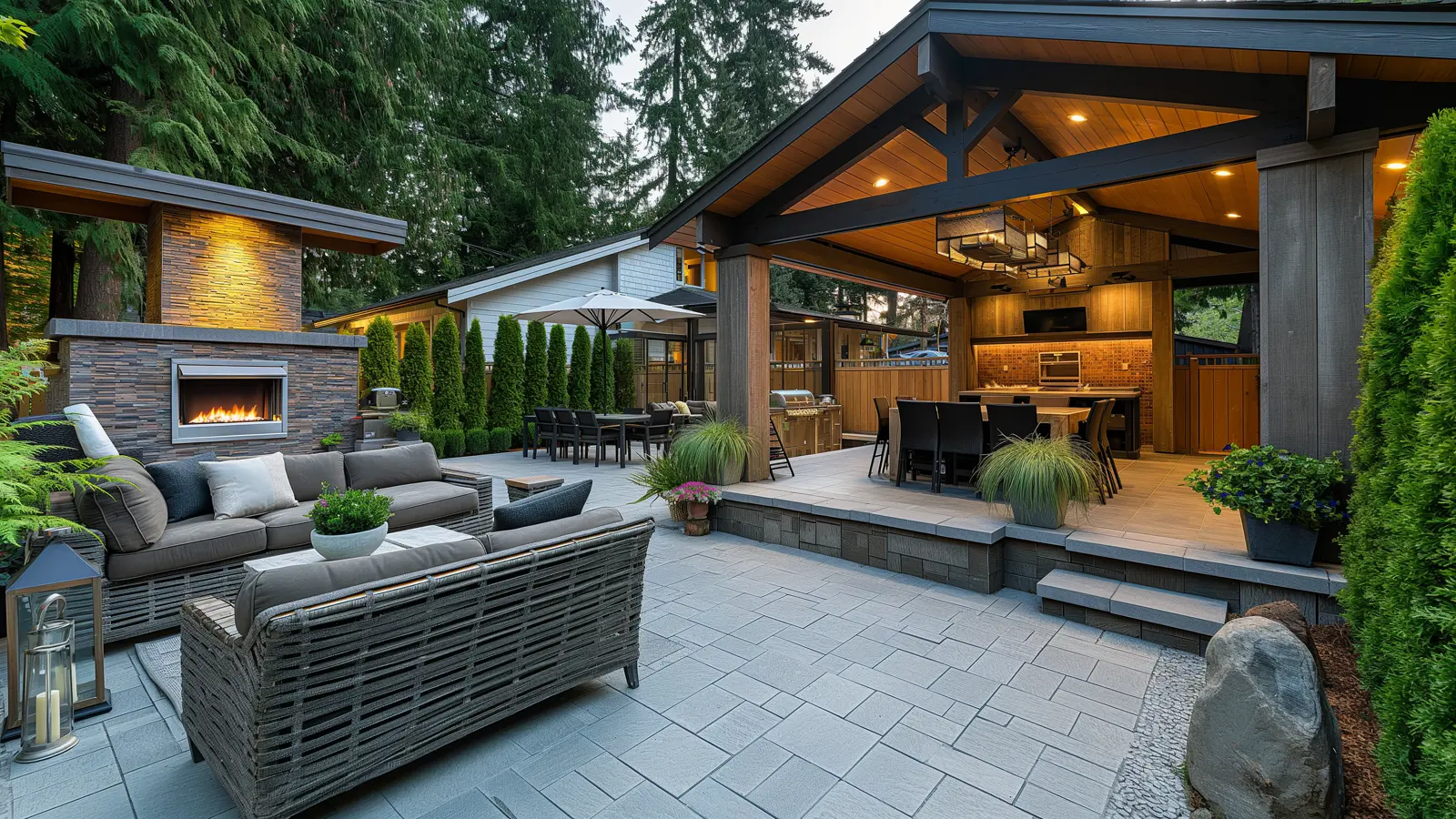
Outdoor spaces have become an important part of modern homes. A deck, balcony, patio, or garden area is no longer seen as an extra feature. It is often used for relaxing, entertaining, dining, and spending time with family. Because of this, outdoor design needs to be planned with the same care as indoor design.
A good outdoor space should look attractive, but it also needs to feel safe and easy to use. The best designs combine comfort, durability, movement, protection, and visual appeal.
Start with How the Space Will Be Used
Before choosing materials or finishes, it is important to understand the purpose of the area. A family deck may need open space for children to move around, while an elevated balcony may need stronger focus on boundaries and visibility. An outdoor dining area should have enough room for seating, movement, and shade.
When the purpose is clear, every design choice becomes more practical.
Safety Around Elevated Areas
Decks, balconies, raised patios, and outdoor stairs require careful safety planning. Boundaries must be strong, secure, and suitable for regular use. Good safety design does not need to feel heavy or unattractive. It can blend smoothly with the architecture.
For many raised outdoor areas, homeowners consider wire balustrades because they provide protection while keeping views open and allowing natural airflow. This makes them a practical option for decks, balconies, and outdoor spaces where visibility is important.
Choosing Materials for Outdoor Conditions
Outdoor materials must handle sun, rain, wind, dust, and temperature changes. Timber, steel, stone, concrete, and composite materials can all work well when chosen carefully. The best material depends on the climate, maintenance needs, and style of the home.
Durability is just as important as appearance. A surface that looks good but becomes slippery or weak over time will not support safe outdoor living.
Creating Comfortable Movement
A well designed outdoor space should feel easy to move through. Furniture should not block walkways, steps should be clearly visible, and transitions between indoor and outdoor areas should feel natural.
Comfortable movement is especially important in homes with children, older family members, or guests. Small details such as level flooring, clear paths, and proper lighting can make the space feel much safer.
Lighting for Safety and Atmosphere
Outdoor lighting improves both security and mood. Path lights, wall lights, deck lights, and soft garden lighting help people move safely after sunset. At the same time, lighting creates warmth and makes the area more inviting.
The goal is not to over-light the space, but to highlight key areas such as steps, seating zones, edges, and entry points.
Blending Outdoor Features with the Home’s Style
Outdoor areas should feel connected to the main house. The colours, materials, and shapes used outside should complement the home’s architecture. A modern home may suit clean lines and minimal details, while a traditional property may look better with warmer textures and natural finishes.
When outdoor design matches the home’s character, the entire property feels more complete.
Designing for Long Term Use
A beautiful outdoor space should continue to perform well over time. This means choosing quality materials, planning proper drainage, allowing for shade, and keeping maintenance realistic. Designs that are too difficult to maintain often lose their appeal quickly.
Good outdoor design supports everyday living without creating extra work.
A Safe and Stylish Outdoor Space Adds Real Value
Outdoor spaces can improve lifestyle and property appeal when designed well. Safety features, durable materials, thoughtful lighting, and attractive finishes all work together to create an area that feels enjoyable and secure.
The strongest outdoor designs do not treat safety and aesthetics as separate goals. They combine both from the beginning, creating spaces that are practical, welcoming, and visually balanced.