

Basement moisture problems are more common in Cranston than many homeowners realize. A faint musty smell, damp walls, or water stains that appear after heavy rain often get brushed off as normal basement issues. But in most cases, moisture is a sign that something deeper is going on.
Cranston’s mix of older homes, seasonal rain, snowmelt, and soil conditions creates the perfect environment for basement moisture. When these factors combine, water can slowly find its way into areas it should never reach. That is why many homeowners eventually start researching options like basement waterproofing cranston to understand what is causing the problem and how to prevent it from getting worse.
Poor Drainage Around The Foundation
One of the most common causes of basement moisture is poor drainage around the home. When rainwater is not directed away from the foundation, it collects in the soil surrounding the basement walls. As the ground becomes saturated, pressure builds, and water seeks the easiest path in.
In Cranston, clogged gutters and short downspouts are frequent contributors. When gutters overflow, or downspouts release water too close to the house, moisture accumulates right where it causes the most damage. Over time, this repeated exposure increases the likelihood of leaks and damp conditions.
Proper drainage is often overlooked, but it plays a major role in keeping basements dry.
Foundation Cracks And Aging Materials
Many homes in Cranston were built decades ago, and foundations naturally change over time. Small cracks can develop as homes settle or shift with seasonal temperature changes. While these cracks may look minor, they can allow water to seep in during wet conditions.
Concrete and masonry are porous materials. Even without visible cracks, moisture can pass through foundation walls when pressure builds outside. As materials age, they become more vulnerable to water intrusion, especially if previous repairs were cosmetic rather than structural. Basement moisture caused by foundation issues often develops gradually, making it easy to underestimate until the damage becomes more noticeable.
Hydrostatic Pressure From Saturated Soil
Hydrostatic pressure is one of the most misunderstood causes of basement moisture. When the soil around a home becomes saturated with water, it exerts pressure on the foundation walls. That pressure increases during heavy rain or snowmelt, which are common in Cranston.
Water under pressure will find weak points, whether through cracks, joints, or porous materials. Even well-built foundations can struggle if water has nowhere else to go. This is why moisture issues often worsen during certain seasons rather than staying consistent year-round. Managing hydrostatic pressure is a key part of long-term basement waterproofing solutions.
Improper Grading Around The Home
Grading refers to the slope of the ground around a house. Ideally, soil should slope away from the foundation, so water flows outward. When grading is flat or slopes toward the home, water collects near the basement walls instead.
In Cranston neighborhoods with older landscaping or renovations over the years, grading issues are common. Soil may have settled, been altered, or compacted in ways that trap water near the foundation. Even small changes in slope can significantly affect how water behaves.
Improper grading often works alongside other issues, increasing the overall moisture problem rather than acting alone.
Failing Or Missing Footing Drains
Footing drains are designed to collect water around the foundation and move it away before pressure builds. Many older homes either lack proper footing drains or have systems that no longer function effectively.
Over time, drains can clog with soil, roots, or debris. When this happens, water has nowhere to go and begins pressing against the basement walls. Homeowners may not realize that footing drains are failing because the system is buried and out of sight.
When basement moisture persists despite surface fixes, failing drainage systems are often to blame.
Condensation And High Indoor Humidity
Not all basement moisture comes from outside water intrusion. Condensation can also play a role, especially in poorly ventilated basements. Warm, humid air entering a cool basement can cause moisture to form on walls, pipes, and floors.
In Cranston, seasonal humidity changes can increase condensation issues, particularly in summer. Over time, this moisture contributes to damp conditions, mold growth, and musty odors. While condensation may seem minor, it often combines with other moisture sources, making the basement feel constantly damp.
Why Basement Moisture Problems Rarely Fix Themselves
Basement moisture issues tend to grow quietly. Water takes the path of least resistance and uses it repeatedly. Temporary fixes may improve appearance, but they rarely address the root cause. Paint, sealants, and patch kits can hide symptoms for a while, but pressure and moisture continue behind the scenes. Over time, damage becomes more extensive and more expensive to repair. Understanding the cause of moisture is the first step toward a lasting solution.
How Basement Waterproofing Addresses These Issues
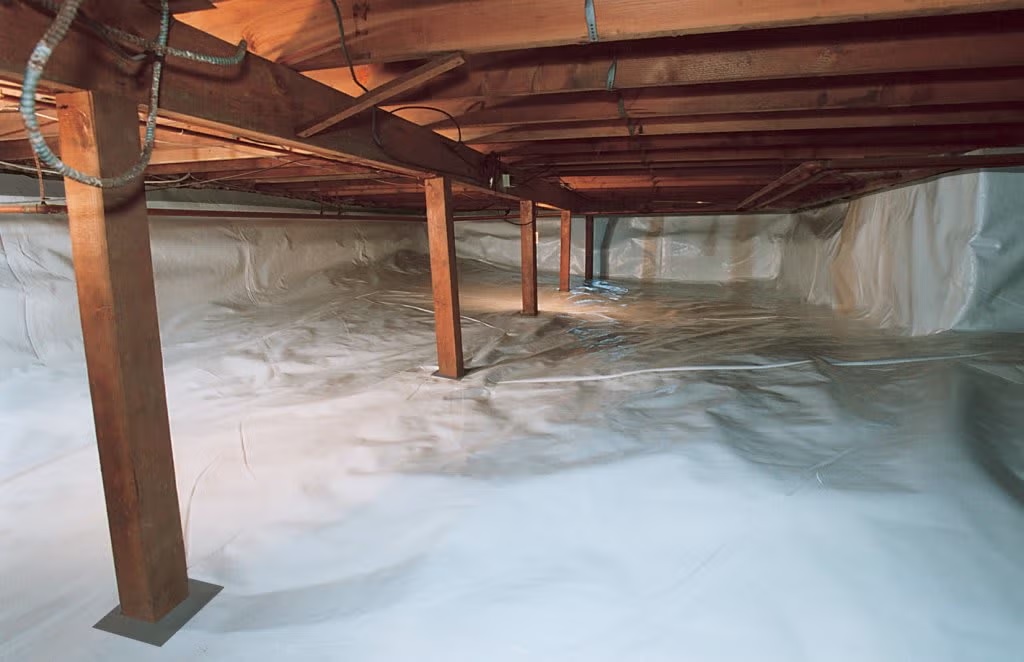
Basement waterproofing focuses on controlling how water interacts with the foundation. Instead of fighting moisture at the surface, effective systems manage pressure, drainage, and humidity. Interior drainage systems collect water before it reaches the living space. Sump pumps safely remove water from the home. Vapor barriers and crack repairs help control moisture movement and prevent recurring issues. In many Cranston homes, interior basement waterproofing provides the most reliable long-term protection without major disruption to the property.
A Practical Next Step For Cranston Homeowners
A single issue rarely causes basement moisture. It is usually the result of several factors working together over time. Identifying the true cause allows homeowners to make informed decisions rather than rely on temporary fixes.
Cranston Basement Waterproofing Contractors work with local homeowners to diagnose basement moisture problems and recommend solutions that fit the structure and environment. Whether moisture is already visible or only showing early warning signs, professional guidance can help prevent more serious damage. Addressing basement moisture early protects not only the basement, but the entire home for years to come.