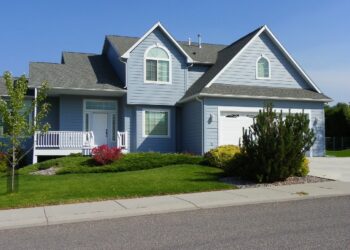

For the vast majority of people, buying a home is the single largest financial investment they will ever make. Home equity represents the market value of your property minus any remaining mortgage balance, serving as a foundational piece of personal wealth. While homeowners routinely track local market trends, invest in kitchen upgrades, and research school districts to protect this asset, they frequently overlook a silent threat that can aggressively erode property value from the inside out: household pests.
The preservation of home equity requires a shift from reactive problem-solving to proactive asset management. Pest infestations are not merely an aesthetic nuisance or a temporary inconvenience; they represent a progressive biological attack on the physical infrastructure of your house. By understanding the direct financial correlation between pest prevention and property valuation, you can treat pest control as a necessary insurance policy that actively preserves your net worth.
The Destructive Impact of Wood-Destroying Organisms on Structural Soundness
When evaluating the factors that threaten a home’s physical integrity, few elements match the destructive potential of wood-destroying organisms. Subterranean termites, carpenter ants, and wood-boring beetles target the structural skeleton of a house, compromising its strength long before any exterior symptoms become visible to the untrained eye.
-
Subterranean Termite Systems: Termites consume cellulose, the primary organic compound found in structural lumber, subflooring, and drywall paper. Because they build mud tubes to travel from underground colonies into the home, their work remains completely concealed within walls. Left unchecked, a mature colony can chew through vital load-bearing studs and support beams, causing sagging floors and roofline failures that require tens of thousands of dollars to fix.
-
Carpenter Ant Hollows: Unlike termites, carpenter ants do not eat wood for nutrition; instead, they hollow out intricate galleries within the lumber to establish nesting sites. They prefer damp or decaying wood, which means a small roofing or plumbing leak can quickly become an entry point for an expansive colony that hollows out the core structural beams of the property.
-
The Valuation Penalty: When structural timber is compromised, the cost of repair involves far more than simply replacing a piece of wood. Contractors must structurally shore up the house, strip away drywall, remove electrical or plumbing components, replace the damaged joists, and rebuild the living space. These extensive repairs can wipe out years of accumulated home equity in a matter of weeks.
The Hidden Threat to Electrical Infrastructure and Mechanical Systems
Rodents present a unique hazard to home equity because their biological traits compel them to constantly gnaw on hard surfaces. Mice and rats possess continuously growing incisors that must be worn down mechanically. When these pests infiltrate crawlspaces, attics, and wall cavities, they frequently target the mechanical infrastructure of the home.
-
Electrical Hazards and Fire Risks: Rodents often strip the protective plastic insulation away from copper wiring inside walls. This exposed, bare wiring creates an immediate short-circuit hazard and stands as a leading cause of unexplained residential fires. The cost to trace and replace damaged wiring throughout a house can easily reach thousands of dollars, not to mention the absolute loss of equity if a fire occurs.
-
HVAC Insulation Destruction: Rats and mice view fiberglass insulation inside attics and flexible HVAC ductwork as ideal nesting materials. They chew through the outer layers of air ducts to build nests inside, which introduces animal waste, hair, and dander directly into the home’s breathing air. Repairing torn ductwork and replacing soiled insulation requires professional remediation to restore energy efficiency and air quality.
The Real Estate Transaction Point of Failure
The true financial impact of an unmanaged pest problem typically crystallizes during a real estate transaction. If you choose to sell your home to cash out your equity, the property must pass a series of rigorous professional inspections before a buyer’s mortgage lender will approve the funding.
-
The Wood-Destroying Insect Inspection: Most mortgage companies and federal loan programs strictly require a Wood-Destroying Insect Inspection report prior to closing. If the inspector finds active termites, carpenter ants, or evidence of historical damage that has not been professionally repaired, the sale will stall immediately.
-
Loss of Negotiating Leverage: Discovering a severe pest issue during the escrow process completely shifts the balance of negotiating power to the buyer. Buyers will typically demand steep price reductions that far exceed the actual cost of professional treatment, or they may walk away from the contract entirely. A property that develops a reputation for structural pest damage becomes stigmatized, forcing the seller to lower the listing price and sacrifice equity.
-
Mandatory Disclosure Laws: In most jurisdictions, sellers are legally bound to disclose any known current or historical pest infestations on standard property condition forms. Failing to manage a chronic issue creates a permanent legal liability that can lead to post-sale lawsuits from the buyers if hidden damage is discovered after the closing date.
Preventing Moisture Accumulation to Defend Against Secondary Invaders
Pest prevention is closely intertwined with moisture control, which is another critical pillar of home equity preservation. Pests like silverfish, cockroaches, and termites cannot survive without high ambient humidity and direct access to water sources.
-
Foundation and Crawlspace Management: Professional pest control plans include a comprehensive evaluation of the home’s exterior drainage and foundation ventilation. Standing water against a concrete slab or high humidity in a crawlspace creates a perfect habitat for pests while simultaneously encouraging wood-decay fungi to take root.
-
Encapsulation Benefits: Addressing moisture issues via pest control techniques like crawlspace encapsulation or vapor barrier installation serves a dual purpose. It stops insect populations from breeding while protecting the subflooring from rot, which directly preserves the physical value of the real estate asset.
Sustainable Equity Growth Through Routine Maintenance Documentation
The best way to leverage pest control to support your home equity is by maintaining a continuous, documented history of professional service. Just as a pristine vehicle service history increases its resale value, a documented home maintenance file provides concrete peace of mind to future buyers.
-
Transferable Warranties: Reputable pest control providers often offer annual termite protection plans that include a renewable, transferable warranty. Being able to hand a prospective buyer a certified document proving the home has been inspected annually and is fully covered against future termite damage adds tangible financial value to your listing.
-
Demonstrated Stewardship: A comprehensive file of routine pest inspections demonstrates to home appraisers and buyers that the property has been meticulously maintained. This level of care signals that the home is highly unlikely to harbor hidden, expensive structural issues, supporting a top-tier appraisal value.
Frequently Asked Questions
Does standard homeowners insurance cover structural damage caused by termites?
No, standard homeowners insurance policies almost universally exclude coverage for damage caused by termites or other wood-destroying insects. Insurance companies view pest infestations as preventable maintenance issues rather than sudden, accidental events like storms or fires. Consequently, the entire financial burden of repairing structural termite damage falls squarely on the homeowner, directly depleting their equity.
How do professional pest control methods differ from over-the-counter retail products?
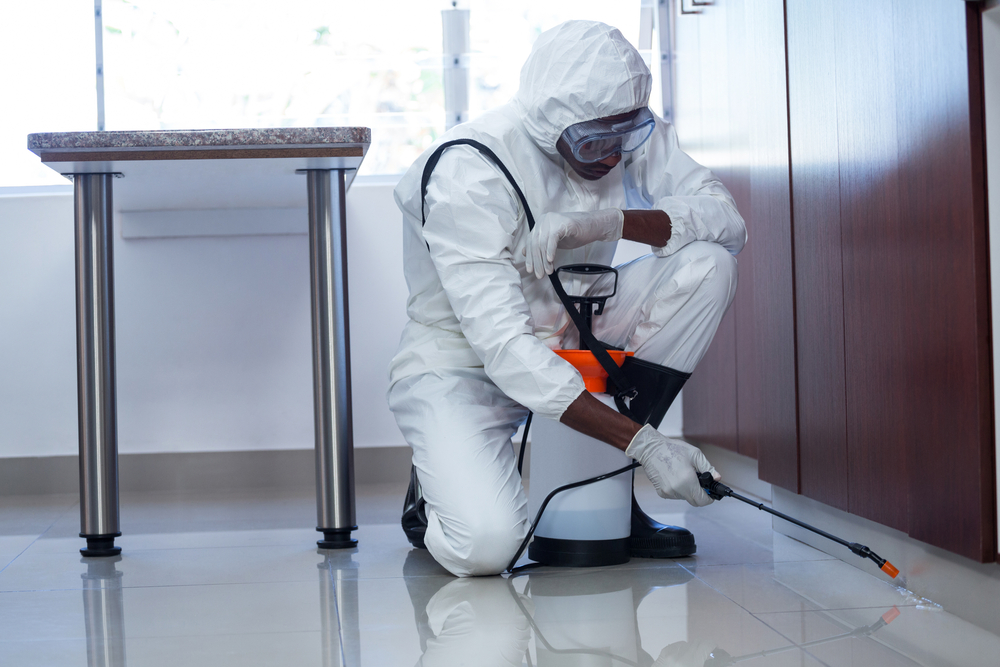
Retail products found at hardware stores are primarily contact killers designed for immediate, localized elimination of visible bugs. Professional pest management utilizes advanced, slow-acting non-repellent chemistries, localized baiting systems, and insect growth regulators. These tools exploit the natural social habits of pests, allowing them to carry the active ingredients back to the heart of the colony to eliminate the breeding source completely.
Can a home appraiser lower a property value assessment based purely on a past pest issue?
An appraiser will not lower a home’s value based on a past infestation provided that the pest problem was fully eradicated and all physical damage was professionally repaired to structural engineering standards. However, if the appraiser notes active wood damage, sagging floors, or unmitigated wood-to-soil contact during their walk-through, they will note it as a condition defect, which will suppress the final valuation until fixed.
What specific signs should a homeowner look for to identify hidden rodent activity in an attic?
Homeowners should regularly inspect their attics for small, dark, capsule-shaped droppings, shredded fiberglass or cellulose insulation pulled into piles, and distinct smudge marks along baseboards or rafters caused by the oils in rodent fur. Additionally, listen for faint scratching or scurrying noises inside the ceilings during the evening hours when rodents are most active.
How does crawlspace moisture control relate directly to pest prevention?
Insects like termites, wood-boring beetles, and silverfish require high humidity to prevent their bodies from drying out. A damp crawlspace creates a perfect microclimate for these pests to thrive. By installing vapor barriers and controlling humidity, you make the environment dry and inhospitable, naturally driving pests away while preventing wood rot.
Is an annual pest inspection sufficient for long-term equity protection?
While an annual inspection is the absolute minimum requirement for detecting wood-destroying insects like termites, a quarterly perimeter maintenance plan is highly recommended for comprehensive protection. Quarterly visits allow professionals to adjust exterior barriers to match seasonal pest migrations, catching crawling insects and rodents before they can breach the foundation walls.