
The modern world is filled with constant noise, screens, and daily stressors. Having a private sanctuary where you can unwind, breathe fresh air, and connect with nature is no longer just a luxury; it is a necessity for mental well-being. Transforming your backyard into a peaceful garden oasis allows you to create a personal retreat just steps from your back door.
Creating a tranquil outdoor space does not require an unlimited budget or a degree in landscape architecture. With thoughtful planning, intentional design choices, and an understanding of how sensory elements affect human emotion, you can convert any patch of grass into a serene haven. This comprehensive guide will walk you through the essential steps to design, build, and maintain your own backyard paradise.
Define Your Vision and Layout
Before you pick up a shovel, you must establish a clear plan. A chaotic design undermines tranquility. Start by observing your backyard at different times of the day to understand its natural characteristics.
Analyze Your Space
Take note of how the sun moves across your yard. Which areas receive intense afternoon heat, and which spots remain cast in deep shade? Observe the natural drainage patterns during a heavy rainstorm. Understanding these factors prevents future frustration and ensures you place elements where they will naturally thrive.
Create Distinct Zones
A peaceful garden feels organized yet organic. Divide your backyard into functional zones based on how you intend to use the space. You might dedicate one corner to quiet meditation, an area near the house for comfortable seating, and a separate section for vibrant plant beds. Use natural transitions, such as winding pathways or low shrubbery, to guide movement smoothly from one zone to the next.
Establish Privacy and Enclosure
True relaxation is difficult to achieve if you feel exposed to neighbors or street traffic. Creating a sense of enclosure transforms your yard into a secret garden where you can truly let your guard down.
Living Walls and Green Screens
While wooden fences provide instant privacy, they can sometimes feel harsh or restrictive. Living barriers offer a softer, more organic alternative. Consider planting a row of evergreen trees or dense shrubs that maintain their foliage year-round. Arborvitae, skip laurels, and privet hedges are excellent choices for creating thick, natural walls.
Vertical Structures and Vines
If you have limited ground space, think vertically. Installing a wooden pergola, a series of trellises, or privacy panels allows you to block unwanted views without taking up a massive footprint. Pair these structures with climbing plants to soften their lines. Fast-growing vines can quickly cover a structure with lush green leaves and fragrant blossoms, enhancing both privacy and beauty.
Select a Soothing Color Palette and Plant Variety
The visual impact of your garden dictates its overall mood. While a bright mixture of red, yellow, and orange flowers creates an energetic atmosphere, a peaceful oasis relies on a more restrained, calming color scheme.
Embrace Cool Tones and Greenery
To foster tranquility, build your plant palette around cool colors. Shades of blue, purple, soft pink, and crisp white naturally lower the heart rate and promote relaxation. Focus heavily on texture and foliage rather than relying solely on short-lived flowers. Incorporating a wide variety of green tones, from deep emerald to pale chartreuse, creates visual depth and a timeless look.
Mix Form and Texture
Layering plants of different heights and textures creates a rich, tapestry-like effect. Combine broad-leafed plants with delicate, feathery ferns to introduce contrast. When selecting your plants, always aim for a balance of the following categories:
-
Canopy Trees: Provide shade, structural framework, and a sense of permanent shelter.
-
Understory Shrubs: Offer mid-level screening and architectural shape.
-
Perennials and Groundcovers: Fill the lower levels with changing seasonal colors and soft textures.
-
Ornamental Grasses: Introduce gentle movement and a subtle rustling sound when the wind blows.
Incorporate the Element of Water
The sound of running water is one of the most effective tools for masking unwanted neighborhood noise and inducing a state of deep relaxation. Water features draw birds and butterflies to your garden, adding to the natural ambiance.
Choose the Right Water Feature
You do not need a massive, expensive pond to enjoy the benefits of water. The right feature depends entirely on your space and maintenance preferences.
-
Bubbling Basalts and Fountains: These compact systems circulate water over natural stones or through architectural sculptures. They require minimal space and are incredibly easy to maintain.
-
Container Water Gardens: A simple, sealed ceramic pot fitted with a small pump and a few aquatic plants can serve as a beautiful tabletop or patio focal point.
-
Ecosystem Ponds and Streams: If you have the space and budget, a meandering stream ending in a small pond creates a dramatic, self-sustaining ecosystem that changes beautifully with the seasons.
Design Comfortable and Inviting Seating Areas
A beautiful garden is meant to be lived in, not just admired from a window. Comfortable, strategically placed seating encourages you to slow down and spend time in your new oasis.
Select Durable, Plush Furniture
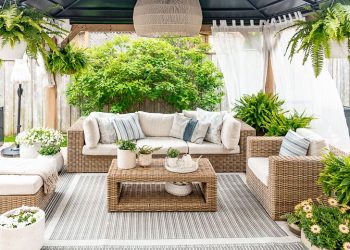
Invest in high-quality outdoor furniture that invites long periods of relaxation. Look for deep-seated chairs, chaise lounges, or an outdoor sofa equipped with weather-resistant, plush cushions. Materials like treated teak, high-density polyethylene wicker, and powder-coated aluminum offer durability without sacrificing style.
Position for the Best Experience
Place your primary seating area where you can enjoy the best views of your garden while remaining protected from elements like intense sun or wind. Position a secondary, smaller seating option, like a single hammocks or a simple stone bench, in a hidden corner of the yard. This provides a dedicated spot for reading, journaling, or quiet contemplation away from the main house.
Guide the Journey with Thoughtful Pathways
Pathways are functional tools that keep your feet dry and protect your plants, but they also serve a psychological purpose. A straight, concrete path encourages quick walking, whereas a winding, textured path forces you to slow your pace and notice your surroundings.
Select Natural Materials
Choose materials that blend seamlessly into the environment. Stepping stones, flagstone, irregular slate, and crushed gravel all feel grounded and organic.
Plant Along the Edges
Soften the edges of your walkways by planting low-growing, aromatic herbs and perennials between the stones or right along the borders. Walking past these plants releases their natural essential oils into the air, engaging your sense of smell as you move through the space.
Curate a Captivating Visual Scene
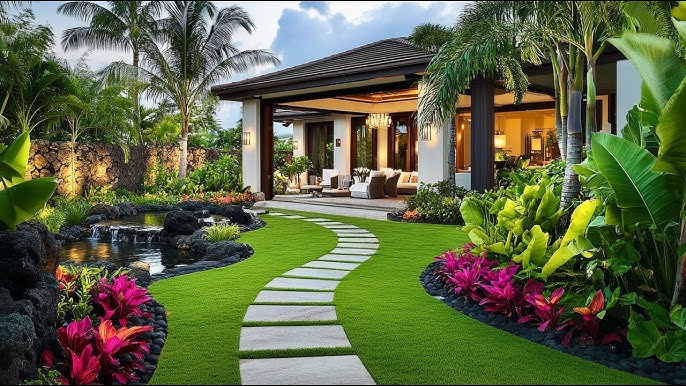
Here is a look at how a properly designed, mature backyard oasis blends lush vegetation, structured privacy, and a clear focal point to establish an immediate sense of calm.
Implement Soft, Atmosphere Lighting
Your garden oasis should not disappear when the sun goes down. Proper outdoor lighting extends the usability of your space into the evening hours and creates an entirely different, magical atmosphere.
Avoid Harsh Overheads
Brilliant, flooded spotlights ruin the peaceful ambiance of a night garden. Instead, opt for low-voltage, warm-toned LED lights that mimic moonlight.
Utilize Strategic Lighting Techniques
Distribute light sources subtly throughout the landscape to highlight specific features without revealing the fixtures themselves.
-
Uplighting: Place small spotlights at the base of mature trees to illuminate their trunk structure and canopy from below.
-
Path Lighting: Install low-profile fixtures along walkways to guide steps safely without casting blinding glare.
-
Moonlighting: Fix lights high up in tree branches pointing downward to create soft, dappled shadows on the ground below.
Maintain Your Oasis with Ease
A garden cannot be peaceful if it requires grueling, stressful upkeep every single weekend. Designing your oasis with low maintenance in mind ensures you spend more time relaxing in it than working on it.
Mulch Generously
Apply a three-inch layer of organic wood mulch over all open soil beds. Mulch suppresses weed growth, retains soil moisture, and regulates root temperatures, significantly reducing your weeding and watering chores.
Install Smart Irrigation
Automated drip irrigation systems deliver water directly to the roots of your plants exactly when they need it. This reduces water waste through evaporation and eliminates the daily chore of dragging hoses around the yard.
Frequently Asked Questions
What are the best low-maintenance plants for a beginner trying to build an oasis?
Hostas, ferns, and coral bells are exceptional choices for shady areas due to their stunning foliage and minimal care requirements. For sunnier spots, consider hardy perennials like coneflowers, black-eyed Susans, and various ornamental grasses, which tolerate drought well once established.
How do I control mosquitoes in a garden that features open water?
Mosquitoes require stagnant water to breed. By keeping your water features continuously moving with pumps, fountains, or waterfalls, you prevent mosquitoes from laying eggs. For still water features or ponds, you can add larvicide tablets containing beneficial bacteria that eliminate mosquito larvae without harming birds, pets, or plants.
Can I create a peaceful garden oasis if I only have a small concrete patio?
Absolutely. You can maximize a small patio by utilizing vertical wall planters, hanging baskets, and varying sizes of ceramic pots filled with lush greenery. Incorporating a tabletop water fountain and a comfortable privacy screen upholstered in outdoor fabric can instantly block out the surrounding world.
How do I choose between a stone patio and a traditional wooden deck?
Stone patios tend to blend more naturally into a garden environment and require significantly less maintenance over their lifespan compared to wood decks, which need regular staining. However, decks are often better suited for sloped yards where leveling the ground for stone would require extensive retaining walls.
What are some fast-growing trees that will give my backyard privacy quickly?
Hybrid willows, Thuja Green Giant arborvitae, and silver maples are known for their incredibly rapid growth rates. When planting fast-growing trees, ensure you place them far enough away from your home’s foundation and underground pipes, as their root systems can expand aggressively.
How can I make my garden oasis attractive during the cold winter months?
Incorporate structural elements that retain their beauty regardless of the temperature. Evergreen shrubs provide constant color, while trees with interesting bark patterns, like paper bark maples or river birches, add visual intrigue. Leaving ornamental grasses uncut through the winter provides shape and catches snowfall beautifully.
Is it necessary to hire a professional landscaper to build a water stream?
Small, pre-formed liner pond kits can easily be installed as a weekend DIY project. However, if your vision involves a large, complex ecosystem with massive natural boulders, multi-tiered waterfalls, and intricate biological filtration systems, hiring a certified professional ensures proper construction and prevents future leaks.