

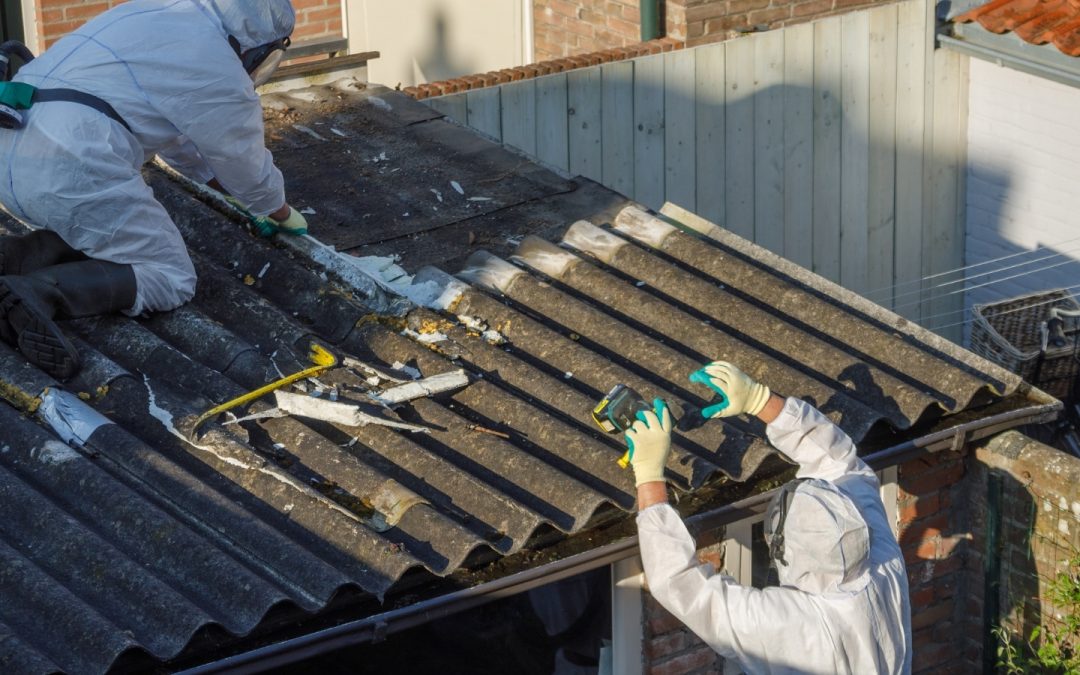
Arranging asbestos removal is less about hunting for the lowest quote and more about confirming the right assessment, license match, and records for the material at hand. For a homeowner with an older Sydney place, that due-diligence view keeps decisions steady and the job traceable. Asbestos Removal in Sydney works best when the process is checked step by step.
Why the job follows a set order
A bonded asbestos job has a set order that starts well before anyone lifts a sheet. Assessment comes first, then a written scope that names the material, the area, and the controls for that site.
That order is what limits fiber release and keeps the site controlled while work is underway. It also builds a record that shows what was found, what was taken out, and what stays in place for future work. Price still counts, yet it can’t show if the license fits the material or if waste went to a lawful place.
The homeowner’s part is to check the steps rather than try to name the material by eye. Asbestos cement sheet can look much like plain cement sheet or painted fibro once it has been painted over. Backing layers or linings can sit out of sight behind walls or under floors.
Sight alone does not settle it.
A licensed specialist organizes the check and arranges lab testing through the right chain when a sample is needed. There is no need to touch, cut, or move suspect pieces to help that step along. Current SafeWork NSW guidance sets out how assessment, scope controls, site access, and notice needs apply to each job, so those points are best run through the specialist for the address at hand.
Where bonded material still shows up
Homes built or changed before 1990 can hold bonded asbestos-containing materials in more than one spot. Roof sheets, eaves linings, wall cladding, and backyard fencing are still common finds in Sydney streets with fibro houses and brick veneers from that era.
Wet-area linings and the backing of old vinyl or linoleum floors are other spots that catch renovators by surprise. Meter boards, flue surrounds, and some gutter and downpipe trims can also hold bonded material. The list shifts from house to house, which is why a room-by-room view beats a guess based on age alone.
Paint does not make the question go away. A fresh coat can hide the pattern of fibro or cement sheet and give a false sense of plain plaster or timber. Layers added during past work can also cover older sheets without removing them, so what looks new on the surface may sit over an older layer.
An asbestos register can help where past checks or part removals have left notes on file. It is a simple record of known or assumed materials, where they sit, and what state they were in at the time. Homeowners with records from a past inspection, renovation, or purchase check should keep those pages with the house file and hand them to the removalist at the start.
Friable and non-friable call for different licenses
In New South Wales, removal work is grouped by material type, and the license has to fit the scope. Non-friable bonded material is bound in cement or resin and holds fibers tight when left alone. Friable material crumbles with light pressure and can free fibers with little force.
That split drives the license classes. A Class B license covers bonded non-friable removal. A Class A license covers friable work and all higher-risk scopes. The two are not swaps for each other, and the right match turns on what the assessment finds.
Homeowners don’t need to sort the class on their own. The point is to ask what class the job calls for and to see that the removalist holds it for that work. If talk turns to dust, debris, or damaged lagging that may point past bonded sheet, that is a sign to pause and get specialist advice before anything is moved.
Health risk is the reason the split is strict. Mesothelioma and asbestosis sit among the diseases tied to asbestos fiber exposure. Lung cancer is also tied to exposure in the medical literature. No amount of home repair is worth stirring up dust to save time.
What to do when material looks suspect
The safest move with suspect sheet, insulation, or floor backing is to leave it alone and keep people and pets clear. Don’t drill it or sand it, and don’t hose it with high pressure or pull nails through it.
Stop work in that area when doubt comes up during a clean-out or repair. Close the door to the room or keep clear of the yard section, turn off any fan that moves air through the space, and keep children away till a specialist has looked. A household vacuum won’t fix the issue and can spread fine dust through the machine exhaust, so it has no place in this step.
Take a few notes while waiting. Write down where the material sits, when it was first seen, and whether it was hit, cracked, or cut. Photos from a safe distance help the removalist plan the visit. They do not call for closer handling.
If a piece has already broken, don’t sweep it or bag it for the bin. Leave fragments where they fell, keep foot traffic out, and call a licensed removalist for next steps. Fast action here means calling a licensed removalist quickly, not rushing to tidy up.
What a clear scope of work covers
A clear scope puts in writing what will be done and what will be left for later. It names the address and the rooms or yard areas in the job. It lists the bonded materials to be taken out by type and place.
Good scopes also spell out site controls in plain terms, noting how the work area will be closed off, who can enter during removal, how long access stays shut, how waste will leave the site, and where records will go after. Vague lines such as “remove fibro” with no area, no controls, and no waste note are not enough to compare.
The scope should set out timing and contact points, giving start dates, work hours, and a name to call with questions, and it should state what happens if hidden material shows up behind a wall or under flooring once sheets come off.
Homeowners can ask how the scope lines up with current rules for that job. Controls, site access, and any notice needs shift with size, place, and material, so the specialist is the right source for what fits. That short talk often clears up access for neighbors, tenants, and trades who share driveways or fences. It’s a five-minute check that stops day-of mix-ups.
How to sort licensed removalists from risky ones
Online search is a start, not a pick. Shortlist two or four local removalists who do steady residential work, then ask each one to visit and write a site-specific quote. Photos help, yet they can’t replace eyes on the roof line, eaves, and side access.
For bonded sheet or fencing work, a Sydney homeowner might speak with a licensed option such as Asbestos Removal Sydney about scope, site controls, and records for bonded non-friable work. That talk should stay on bonded material, since friable scopes sit in a separate license class with its own assessor and monitoring rules.
Ask for the license number and check it on the SafeWork NSW public register. Look for insurance that fits residential removal and waste carriage, plus any environmental steps the removalist follows for lawful carriage. Time in suburban jobs counts too, since tight side paths, shared fences, and overhead wires change how sheets come out.
Watch for signs to walk away. No license number is a stop sign. No written scope is a stop sign. Talk that skips waste paperwork, skips the clearance step, or vows fast removal with no site controls named should end the talk. A sound removalist is plain about limits and puts each promise in writing.
Quotes should be compared line by line. One may cover tip fees and paperwork while one leaves them out. One may list the full fence run while one lists part of it. The cheapest paper quote can turn dear once gaps show up on site.
Paperwork that should come with the job
Paper is part of the service, not an extra. Ask what files will come back and when, then keep them with the house records for later sales, rentals, or builds. Future trades will want to know what was taken out and what stays in place.
A clearance step often closes out the work. What it looks like turns on the job and the class at play. Some bonded scopes close with a visual check by a competent person. Others call for an independent licensed assessor and air monitoring where the rules or the site call for it. Licenses are not all the same here, so the removalist should state which clearance path fits and who will sign it.
Don’t read a clearance paper as a blanket pledge that risk has gone for all time. It records that the checks named in it were done and what the outcome was on the day. It does not cover materials outside the scope or later damage from drills, cuts, or storms.
Waste paper matters just as much. Bonded waste must travel wrapped and labeled to a place that is allowed to take it, under waste rules that also speak to dumping and transport. The contract should state who carries it and the homeowner should hold the facility receipt or waste docket. That slip ties the load from the house to the gate where it was logged in.
Keep the set together. Scope, lab slips where sampling took place, clearance papers where issued, and tip dockets tell the full tale. A thin folder now saves hard talks later when a buyer, agent, or builder asks what sits behind the walls.
When renovation or demolition is on the table
Cuts, lifts, and crush loads free far more fiber than a whole sheet sitting still. That is why assessment must come before hammers, saws, or excavators touch the structure. A pre-demolition check maps bonded materials room by room and out in the yard, so the build plan can stage removal first.
The check is best set early in the design phase. Late finds stall trades, push skip bins back, and force hasty changes to scope. Early notes let the builder order the right bins, plan fence access, and set work dates in the right order.
Tell the certifier, builder, and key trades what the survey found. Share the scope dates and the no-go zones while removal is live. Keep pets, kids, and stored goods out of those zones till the removalist gives the all clear for access.
Where records show material will stay, note it for the next job. A line on the plan such as “bonded eaves remain at rear” helps the next electrician or painter avoid a blind drill. Small notes like that keep later fixes from turning into fiber events.
Homes with past part removals need the same care. Old registers can go stale once walls move or roofs change. A fresh look before the next stage keeps the file true and stops old notes from steering new work wrong.
A steady job leaves the house calm, the yard clean, and the folder full. That is the mark of Asbestos Removal in Sydney done with care, with the right license, clear controls, and papers that line up.