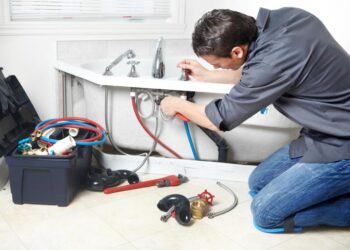


Plumbing is one of the most critical yet underappreciated systems in any building. While it may often go unnoticed, a well-designed plumbing infrastructure is essential to the comfort, functionality, and hygiene of a home or commercial space. Beyond the pipes and pressure gauges lies a refined orchestration of engineering principles, sustainable practices, and careful planning. This article explores the sophistication behind modern plumbing, shedding light on its silent efficiency and highlighting tips, insights, and the beauty of getting the basics right.
The Foundation of Functionality
At its essence, plumbing is about the efficient movement of water and waste. The reliability of a building’s plumbing is not just a matter of convenience—it is central to health, safety, and everyday quality of life.
-
Water supply systems bring clean, pressurized water to various fixtures, from kitchens to bathrooms.
-
Drainage and waste systems remove used water and waste material in a hygienic, efficient manner.
-
Vent systems allow air into the drainpipes, preventing vacuums that can disrupt flow and lead to unpleasant odors.
A finely tuned plumbing system goes far beyond functionality; it ensures a seamless experience where water availability, pressure, and drainage all harmonize.
The Role of Design in Plumbing
In high-end architecture and interior design, plumbing must do more than work—it must disappear. In luxurious spaces, the best plumbing systems are those you never see or think about.
-
Concealed installations keep pipes hidden behind walls or beneath flooring, preserving the aesthetics of a room.
-
Precision fixture placement ensures access to water where it’s needed without compromising layout or design intent.
-
Integration with smart systems allows modern homes to monitor water usage, detect leaks, and optimize temperature control.
Like an orchestra behind a grand performance, plumbing supports the visual and experiential elegance of a space.
Key Components of a Modern Plumbing System
Understanding the core components helps to appreciate the complexity and craftsmanship involved in plumbing:
1. Water Supply Lines
These bring fresh water into a building under pressure, typically via municipal systems or private wells.
-
Materials: Copper, PEX (cross-linked polyethylene), and CPVC are popular choices, each with unique advantages in durability, cost, and flexibility.
-
Shutoff valves at every major fixture allow for easy maintenance and emergency control.
2. Drain-Waste-Vent (DWV) System
This crucial component safely carries wastewater away from the structure while maintaining proper air pressure in the drainpipes.
-
Gravity-fed design ensures waste flows naturally downward with minimal mechanical assistance.
-
Vents prevent airlocks and allow sewer gases to escape safely.
3. Fixtures and Appliances
From bathtubs to water heaters, these are the user-facing elements that interact with the system.
-
Water-saving fixtures like low-flow toilets and aerated faucets are essential for sustainability.
-
High-end appliances such as tankless water heaters offer on-demand hot water with energy efficiency.
Installation and Planning: The Blueprint for Success
The best plumbing begins long before water ever flows. Planning is everything—whether building from scratch or undertaking a remodel.
-
Local codes and standards must be strictly followed to ensure safety and efficiency.
-
Load calculations help determine pipe sizes, pressure ratings, and heater capacity.
-
Future-proofing by including cleanouts, flexible piping, and modular systems can prevent major disruptions later.
Skilled plumbers work closely with architects and engineers during planning stages, ensuring harmony between form and function.
Maintenance: Preserving Performance and Preventing Problems
Plumbing maintenance is vital. Without it, even the most robust systems will deteriorate over time.
-
Regular inspections can detect leaks, corrosion, or pressure drops before they cause damage.
-
Water quality tests help identify hard water, which can damage pipes and reduce appliance efficiency.
-
Drain cleaning ensures smooth wastewater flow and prevents blockages or backflow issues.
Proactive maintenance not only saves money but also extends the life and integrity of the entire system.
Sustainable Plumbing: An Eco-Conscious Evolution
Modern plumbing is rapidly evolving to align with sustainability goals. Today’s systems must minimize water waste, conserve energy, and protect the environment.
-
Greywater systems reuse water from sinks and showers for irrigation or flushing toilets.
-
Rainwater harvesting can supplement the water supply and reduce dependency on municipal systems.
-
Sensor-operated fixtures in commercial buildings reduce unnecessary water flow and limit transmission of germs.
With increasing pressure on global water resources, sustainable plumbing is no longer a luxury—it’s a responsibility.
Common Plumbing Challenges and Elegant Solutions
Even the best systems occasionally face challenges, but smart solutions can prevent small issues from becoming major crises.
-
Low water pressure may indicate sediment build-up or corroded pipes. Pressure-regulating valves and descaling systems help restore optimal flow.
-
Leaks behind walls can go undetected for months. Installing smart leak detectors can alert homeowners in real-time.
-
Frozen pipes in colder climates can cause serious damage. Pipe insulation and heat tape offer simple yet effective protection.
Elegance in plumbing lies not only in installation but also in foresight and responsive solutions.
Choosing a Plumber: What to Look For
Selecting the right plumbing professional is crucial. Look for:
-
Licensing and certification, which ensures competence and legal compliance.
-
Experience with similar projects, particularly if you’re undertaking a custom build or high-end renovation.
-
Transparency in pricing, warranties, and service follow-ups.
A trusted plumber is a long-term partner in maintaining the health and value of your home.
Final Thoughts: Plumbing as an Invisible Luxury
Though often overlooked, plumbing is one of the most refined aspects of modern living. It operates silently behind the scenes, offering convenience, cleanliness, and comfort without demanding attention. From the pressure in your morning shower to the water temperature in your evening bath, the quality of a home’s plumbing system deeply influences your quality of life.
To approach plumbing as an art is to understand its role as a foundational element of well-being and elegance. When done right, it adds value not just to a property but to the experience of living itself. So the next time you turn on a tap or enjoy the warmth of a long shower, take a moment to appreciate the invisible luxury that makes it all possible—plumbing, perfected.