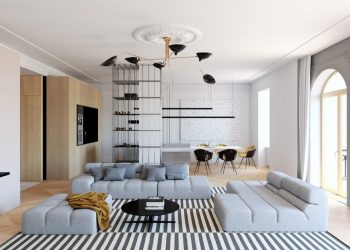


Interior design is far more than a decorative endeavor—it is the conscious art of shaping environments that elevate the human experience. A thoughtfully designed interior tells a story of harmony, function, and soul. It transcends fleeting trends to create timeless spaces that nurture, inspire, and reflect the personality of those who inhabit them. Whether it’s a grand residence, a cozy apartment, or a commercial space, interior design provides structure to emotion and elegance to utility. This article explores the nuanced world of interior design through a lens of sophistication, craftsmanship, and enduring style.
The Philosophy of Interior Design
At its core, interior design is about storytelling. It weaves together color, form, texture, and light into a cohesive narrative that defines the mood of a space. Exceptional design always begins with a clear purpose—how the space will be used, who will inhabit it, and what message it should convey.
-
Function before form: No matter how beautiful, a room must serve its practical purpose first. A well-designed kitchen enables flow and efficiency; a living room must foster comfort and conversation.
-
Emotional impact: Great interiors provoke feeling. Through scale, lighting, and materiality, a space can evoke calm, excitement, nostalgia, or inspiration.
-
Cultural and personal resonance: Incorporating pieces that reflect your heritage, travels, or personal memories enriches a space with authenticity and depth.
Design, when done well, becomes invisible. It simply feels right.
Key Principles of Elegant Interior Design
A refined interior is the result of deliberate decisions. The following pillars help ensure a sophisticated and enduring design language:
1. Balance and Proportion
Proportion is the unsung hero of great design. It governs how furniture, lighting, and architectural features relate to one another in scale and form.
-
Large furniture in a small room feels oppressive.
-
A tiny rug beneath a massive sofa disrupts visual harmony.
-
Balance doesn’t always mean symmetry—an asymmetrical arrangement can be elegant when thoughtfully weighted.
Use proportion to guide layout, scale of objects, and spatial flow.
2. Cohesive Color Palettes
Color has psychological weight. It defines the mood and rhythm of a room, whether warm and enveloping or cool and minimalist.
-
Neutral palettes (ivory, taupe, charcoal) offer timeless sophistication and act as a canvas for accent details.
-
Accent colors in soft blues, olive greens, or muted burgundies add depth without overwhelming.
-
Layering tones within a single color family creates visual interest while maintaining harmony.
Avoid abrupt contrasts unless you’re aiming for a dramatic or eclectic effect.
3. Texture and Materiality
Texture gives a room life. It stimulates the senses, adds dimension, and can break the monotony of flat surfaces.
-
Soft textures: velvet upholstery, wool throws, linen drapes
-
Hard textures: stone countertops, exposed brick, glass elements
-
Organic touches: wood grains, rattan accents, clay ceramics
Layering textures creates a tactile richness that feels curated and warm.
Defining Zones with Purpose
Open-plan interiors remain popular for their airy and communal feel, but even within open spaces, it’s vital to define functional zones.
-
Area rugs help delineate spaces such as living and dining areas.
-
Furniture placement can guide foot traffic and create intimate vignettes.
-
Lighting can zone areas—think of pendant lights over dining tables or floor lamps by reading nooks.
Zoning allows the space to breathe and encourages more intentional use.
Lighting: The Silent Architect
Lighting is perhaps the most underestimated element in interior design. It has the power to completely transform a space, from dull to dramatic.
-
Natural light should be maximized with sheer curtains, reflective surfaces, and well-placed mirrors.
-
Ambient lighting (ceiling lights) creates overall illumination.
-
Task lighting (desk lamps, under-cabinet lights) provides functional brightness.
-
Accent lighting (wall sconces, art spotlights) adds mood and highlights key features.
Layering these types of light creates depth and adaptability throughout the day.
Curated Furnishings and Décor
Rather than filling rooms with matching sets, curated furniture tells a more nuanced and elegant story.
-
Mix eras: Pair an antique chest with a modern mirror.
-
Avoid over-accessorizing: Every object should serve a purpose—either functional or sentimental.
-
Edit regularly: A sophisticated space evolves over time; remove what no longer serves the vision.
A curated home feels lived-in yet elevated.
Embracing Architectural Details
Architectural features form the skeleton of good design. Whether it’s crown molding, arched windows, or a built-in bookshelf, highlighting these features adds character and anchors your interior decisions.
-
Paint trim in a contrasting color to emphasize craftsmanship.
-
Use ceiling height to inspire vertical storage or tall statement lighting.
-
Expose original materials (like beams or brick) for rustic charm.
Let the architecture guide your design, not work against it.
Art and Personal Expression
Artwork brings identity to interiors. Whether it’s a minimalist abstract, a gallery wall of family portraits, or a vintage landscape painting, art personalizes the space.
-
Choose pieces that resonate emotionally or philosophically.
-
Hang artwork at eye level—too high and it loses intimacy.
-
Mix mediums: paintings, sculptures, photography, and textiles.
Art shouldn’t just decorate—it should speak.
Sustainability and Mindful Choices
Modern interior design must also consider environmental responsibility. Conscious choices in furniture, finishes, and energy usage reflect a refined, forward-thinking approach.
-
Use reclaimed materials where possible.
-
Choose low-VOC paints and natural finishes.
-
Invest in quality rather than quantity to avoid wasteful redecorating cycles.
Timeless design is sustainable by nature—it avoids the need for constant reinvention.
Conclusion: The Home as a Living Canvas
Interior design is not about following trends or mimicking catalog aesthetics. It is a deeply personal and artistic process that blends beauty, practicality, and emotion. When done with care and integrity, interior design transcends decoration to become a lifestyle—a reflection of thought, intention, and identity. Your space, ultimately, should not just look exquisite; it should feel like home. It should tell your story—quietly, gracefully, and with undeniable presence.