
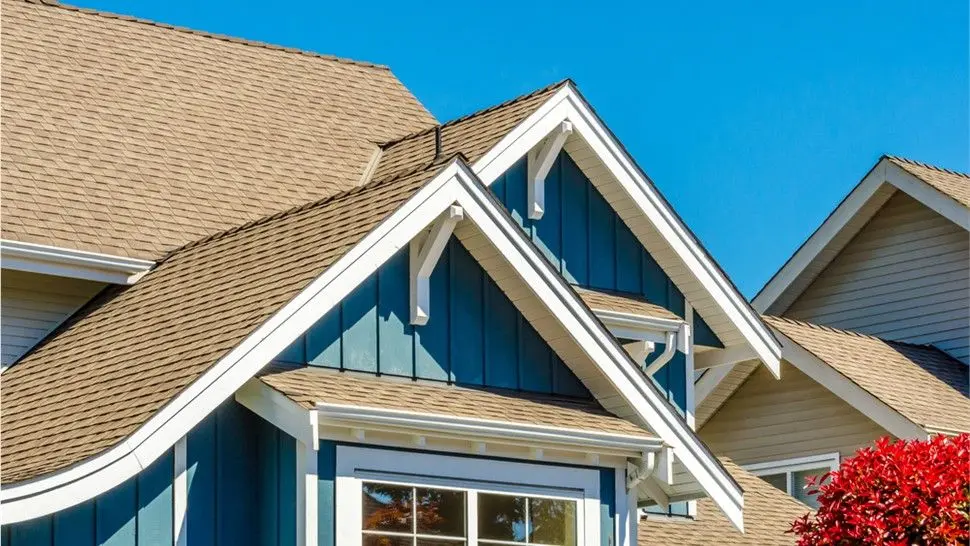
Maintaining a secure, weather-tight roof is one of the most critical aspects of homeownership. The roof serves as the primary barrier against heavy rain, high winds, snow, and extreme heat. Over time, every roofing system shows signs of wear and tear, forcing homeowners to face a crucial financial and structural decision: should you pay for a targeted repair, or is it time to invest in a complete roof replacement?
Making the wrong choice can be costly. Repairing a roof that actually needs replacement only delays the inevitable and can lead to hidden structural water damage. Conversely, replacing a roof prematurely wastes thousands of dollars that could have been preserved through maintenance. Understanding the specific variables that dictate when to patch and when to tear down ensures you protect both your home and your bank account.
Core Factors that Influence the Decision
To determine the most appropriate course of action, homeowners must look past the immediate surface damage and evaluate the health of the entire roofing system. Several key variables help clarify whether a quick fix or a total overhaul is necessary.
The Age of the Roof
Every roofing material carries an expected expiration date. Even if a roof looks functional from the ground, its internal integrity degrades as it nears the end of its natural lifespan.
-
Asphalt Shingles: Traditional three-tab asphalt shingles generally last fifteen to twenty years, while architectural shingles can survive twenty-five to thirty years.
-
Metal Roofing: High-quality steel or aluminum roofing systems typically provide durable service for forty to seventy years.
-
Tile and Slate: Clay tile, concrete tile, and natural slate are highly resilient, often lasting fifty to over one hundred years.
If your asphalt shingle roof is over twenty years old and begins experiencing leaks, localized repairs are usually an inefficient use of capital. The surrounding shingles are likely too brittle to endure the repair process, making a full replacement the logical choice.
Physical Damage and Material Condition
Visual signs of deterioration offer direct clues about the stability of your roof. Walk around your property and use binoculars to inspect the surface safely from the ground. Look for these specific indicators of advanced wear:
-
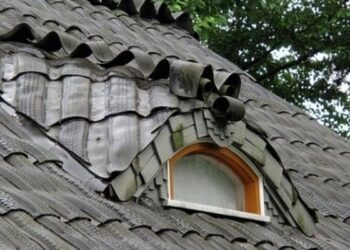
Cupping or Curling: Shingle edges that curl upward or claw downward indicate that the material is drying out and losing its flexibility.
-
Granule Loss: Heavy accumulation of asphalt granules in your gutters means the protective coating of the shingles has worn away, leaving the underlying mat exposed to destructive ultraviolet radiation.
-
Cracked or Missing Sections: While a few missing shingles from a minor storm can be replaced easily, widespread cracking across multiple roof slopes indicates systemic failure.
The Scope and Frequency of Leaks
A single, isolated leak after an unusually severe storm usually points to a localized failure, such as damaged flashing around a chimney or a popped nail. This scenario is a prime candidate for a budget-friendly repair.
However, if leaks occur in multiple rooms simultaneously, or if you find yourself hiring a contractor to patch new leaks after every minor rainstorm, the internal waterproofing underlayment has likely failed. Patching individual areas will not stop water from migrating through other deteriorated sections of the roof.
Geographical Climate and Weather Patterns
Local climate plays a massive role in how fast a roof ages. Homeowners living in regions prone to severe hail storms, hurricanes, or heavy winter snow loads must hold their roofs to a higher standard of integrity. A compromised roof in a mild climate might survive another year, but the same roof in a coastal storm zone or northern freeze-thaw climate poses an immediate risk of catastrophic failure.
When a Roof Repair is the Right Choice
Roof repairs are highly effective when the underlying structural components of the system remain healthy and the damage is confined to an isolated zone. Choosing a repair is practical and cost-effective under the following circumstances.
Minor Storm Damage
High winds can occasionally lift or tear away a small cluster of shingles without compromising the rest of the roof. If the surrounding shingles are still pliable, securely fastened, and retaining their protective granules, a professional roofer can easily slide in new pieces, seal them down, and restore the integrity of the barrier.
Faulty Flashing
Flashing consists of the thin metal strips installed around roof penetrations, including chimneys, skylights, dormers, and vent pipes. It is designed to redirect water away from these vulnerable transition points. Because flashing can lift due to thermal expansion or sealants drying out, it often fails long before the actual shingles do. Replacing worn flashing or resealing a vent boot is a straightforward repair that completely resolves the issue without requiring wider shingle replacement.
Budget Constraints and Short-Term Stays
If you plan to sell your home within a few years and the roof is currently watertight but showing minor cosmetic wear, a targeted tune-up is often the wisest financial move. Additionally, if a full replacement is structurally required but currently unaffordable, temporary repairs can buy you six to twelve months to arrange financing, though this approach should be monitored closely to avoid secondary interior damage.
When a Full Roof Replacement is Necessary
There are scenarios where investing in a new roof is the only safe and sensible option. Postponing a replacement in these situations often leads to skyrocketing costs due to mold remediation, rotted decking, and ruined drywall.
Widespread Structural Rot
When water penetrates the outer shingle layer and bypasses the underlayment, it saturates the wooden roof decking beneath. Over time, this moisture breeds wood-rotting fungi. If you notice sagging sections in your roofline or if a roofer steps on the surface and describes it as spongy or soft, the decking wood has lost its structural load-bearing capacity. The old materials must be completely torn off so the roofer can replace the rotted plywood substrate before installing new shingles.
Extensive Storm or Hail Damage
A severe weather event can ruin a roof in minutes. Large hail fractures the fiberglass mat inside asphalt shingles, completely destroying their ability to shed water. If a hail storm impacts more than twenty-five percent of the total roof area, insurance adjusters generally recommend a complete replacement rather than patchwork, as the unpopped fractures will lead to premature failure across the entire structure within a few seasons.
Building Code Compliance Rules
Many local building codes dictate that a residential home cannot have more than two layers of roofing materials installed. If your home already has two layers of shingles overlapping each other and the top layer fails, you cannot simply nail down a third layer. Building codes require a complete tear-off down to the bare wood deck, ensuring the weight load stays within safe structural limits for the home frame.
Cost Considerations and Long-Term Value
When weighing repairs against a replacement, calculating the true long-term value is more important than looking at the immediate price tag. A patch might cost a few hundred dollars, while a total replacement requires a significant financial commitment.
However, if you spend one thousand dollars annually on repeated repairs for an old roof, you are wasting funds that could be better spent on a modern system with a multi-decade warranty. A new roof also improves the energy efficiency of your home through better ventilation and reflective materials, lowering monthly utility bills. Furthermore, a certified roof replacement drastically increases the resale value of the home and provides potential discounts on homeowner insurance policies.
Frequently Asked Questions
Can I replace only one side of my roof if the other side looks fine?
Yes, it is possible to replace only one slope or section of a roof if the damage or wear is strictly confined to that specific area. This scenario often occurs when one side faces intense, direct sunlight all day while the other side remains shaded, or when a fallen tree damages only one half of the structure. However, you must consider that the new shingles will likely not match the weathered look of the older side, creating a distinct visual mismatch. Additionally, hiring a crew twice for two partial replacements ends up costing more in labor and setup fees than doing the entire project at once.
How does poor attic ventilation affect the choice between repair and replacement?
Poor attic ventilation traps extreme heat and moisture directly underneath the roof decking. In the summer, attic temperatures can soar, effectively baking the shingles from the inside out and causing them to curl, blister, and fail prematurely. In the winter, trapped moisture can cause mold growth and deck rot. If your roof is failing early due to inadequate ventilation, simple repairs will not solve the underlying issue. A full replacement is usually required so the contractor can install proper intake and exhaust vents, ensuring the new material does not suffer the same fate.
Will my homeowners insurance cover a roof repair or a full replacement?
Homeowners insurance coverage depends strictly on the root cause of the damage. If your roof suffers sudden damage from an act of nature, such as a severe hail storm, fallen tree limbs, or high winds, insurance typically covers the cost of repairs or a full replacement, minus your deductible. However, if the damage is the result of natural aging, neglect, or lack of routine maintenance, the insurance provider will generally deny the claim, leaving the homeowner fully responsible for the expenses.
Is it safe to walk on a damaged roof to perform a DIY inspection?
Walking on a damaged roof is highly discouraged due to significant safety hazards. Cracked or loose shingles can slip under your feet, and areas with hidden wood rot can sag or collapse under your weight. Furthermore, steep slopes and high heights carry an inherent risk of dangerous falls. The safest method is to conduct a visual assessment from the ground using binoculars, or to hire a licensed, insured roofing professional who possesses the proper safety harnesses, footwear, and training to navigate compromised structures.
What is the difference between architectural shingles and traditional three-tab shingles during a replacement?
Traditional three-tab shingles are flat, thin, and cut into uniform rectangular sections, offering a classic look with a lifespan of roughly fifteen to twenty years and lower wind resistance. Architectural shingles, also known as dimensional shingles, are manufactured with multiple layers of asphalt laminated together, creating a thicker, textured, three-dimensional appearance. Architectural shingles are substantially heavier, offer superior wind resistance, hide minor roof imperfections better, and typically last twenty-five to thirty years, making them a higher-value choice for replacements.
How long does a standard residential roof replacement take from start to finish?
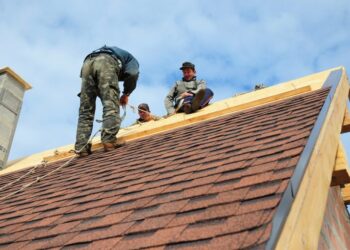
For an average-sized single-family home, the physical tear-off and installation of a new asphalt shingle roof usually takes between one and three days of active labor. The timeframe can extend if the crew discovers extensive wood rot in the underlying decking that requires replacement, or if the home features a highly complex roofline with steep pitches and numerous valleys. Severe weather delays, such as sudden rain or high winds, can also pause the project, as roofers must keep the home protected with tarps until dry conditions return.
Can I install a new metal roof directly over my existing asphalt shingle roof?
In many jurisdictions, it is permissible to install a metal roof directly over a single layer of existing asphalt shingles using furring strips. This method reduces labor costs and eliminates disposal fees since the old roof does not need to be torn off. However, this path prevents the contractor from inspecting the underlying wooden decking for hidden rot or structural issues. If there is pre-existing water damage beneath the shingles, covering it up will allow the rot to continue spreading, which eventually compromises the new metal system.