

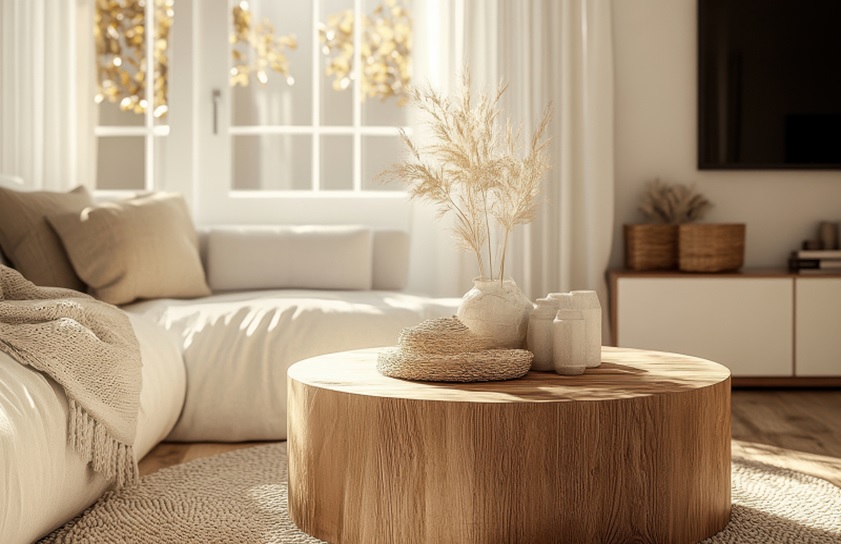
Japandi interiors combine restrained styling with natural textures and a focus on everyday function. The look can feel calm and inviting, but achieving it requires more than choosing beige walls and timber furniture. Homeowners planning Japandi interior design in Singapore should consider how furniture, storage and materials will work in the climate and within the available space.
A well-planned Japandi living room balances simplicity with comfort. These five choices can help create a cohesive interior without sacrificing practical needs.
1. Build a Restrained, Flexible Colour Palette
Neutral colours can help create a quiet visual backdrop. Warm whites, soft greys, muted greens and earthy tones can work alongside timber and textured fabrics without making the room feel overly decorated.
Choose a main colour, a supporting shade and one or two accent tones before purchasing furniture. Review paint and fabric samples in the actual room, since daylight and artificial lighting can change how colours appear.
Avoid making every surface identical. Small differences in tone and texture can add depth while preserving the understated quality associated with Japandi interiors.
2. Select Natural Materials With Care
Timber, stone, linen, cotton and woven textures can introduce warmth and visual interest. However, each material has maintenance requirements, so selection should reflect how the living room is used.
For example, timber finishes may need protection from moisture and direct sunlight, while pale upholstery can show stains more easily. Ask suppliers about cleaning methods, durability and replacement options before making a decision.
In Singapore’s humid conditions, consider ventilation and moisture management when selecting materials. The natural appearance of a Japandi living room should not come at the expense of suitability for the home environment.
3. Choose Furniture That Supports Daily Routines
Japandi furniture tends to favour clean lines and simple forms, but comfort and scale remain essential. A low sofa may create a relaxed atmosphere, while a compact coffee table can preserve walking space in a smaller room.
Measure the room and mark out the proposed furniture footprint before purchasing. Check clearance around doors, windows and circulation routes. If the household regularly hosts guests, consider flexible seating or a table that can serve more than one purpose.
Avoid choosing furniture purely for its appearance. Seating should provide adequate support, and frequently used items should remain easy to reach.
4. Use Concealed Storage to Reduce Clutter
A restrained interior can become difficult to maintain if everyday items have no dedicated place. Plan storage around books, remote controls, cables, children’s items and other belongings that tend to accumulate in the living room.
Closed cabinets can keep the overall appearance simple, while a small amount of open shelving can display selected objects. Varying storage types helps avoid an overly uniform wall of cabinetry.
Make sure frequently used items remain accessible. Storage should support daily habits rather than forcing the household to hide everything away before the room feels presentable.
5. Layer Lighting and Texture
Natural light can support the calm character of a Japandi interior, but the room also needs suitable lighting after dark. Combine general illumination with task lighting and a few accent sources, such as a floor lamp or a softly lit display.
Fabric, timber grain, ceramics and woven details can add depth without relying on bright colours or decorative excess. Choose a limited number of textures and repeat them across the room to create visual continuity.
Consider glare when positioning lamps near televisions and reading areas. A thoughtful lighting plan should support the room’s activities as well as its atmosphere.
Quick Checklist for a Practical Japandi Living Room
- Choose a restrained palette that works with the room’s natural light.
- Check the maintenance needs of timber, stone and fabrics.
- Measure furniture and preserve comfortable walking routes.
- Plan concealed storage for frequently used belongings.
- Combine general, task and accent lighting.
- Select a limited set of textures to maintain visual balance.
A practical Japandi interior depends on careful choices rather than minimal decoration alone. Colour, materials, furniture, storage and lighting should work together to create a room that feels calm while supporting everyday life.
When planning Japandi interior design in Singapore, account for the home’s size, climate and household routines before choosing finishes. A considered Japandi living room can remain visually restrained without becoming uncomfortable or difficult to maintain.
Contact Hoft Interior to explore design decisions that balance simplicity with daily function.