

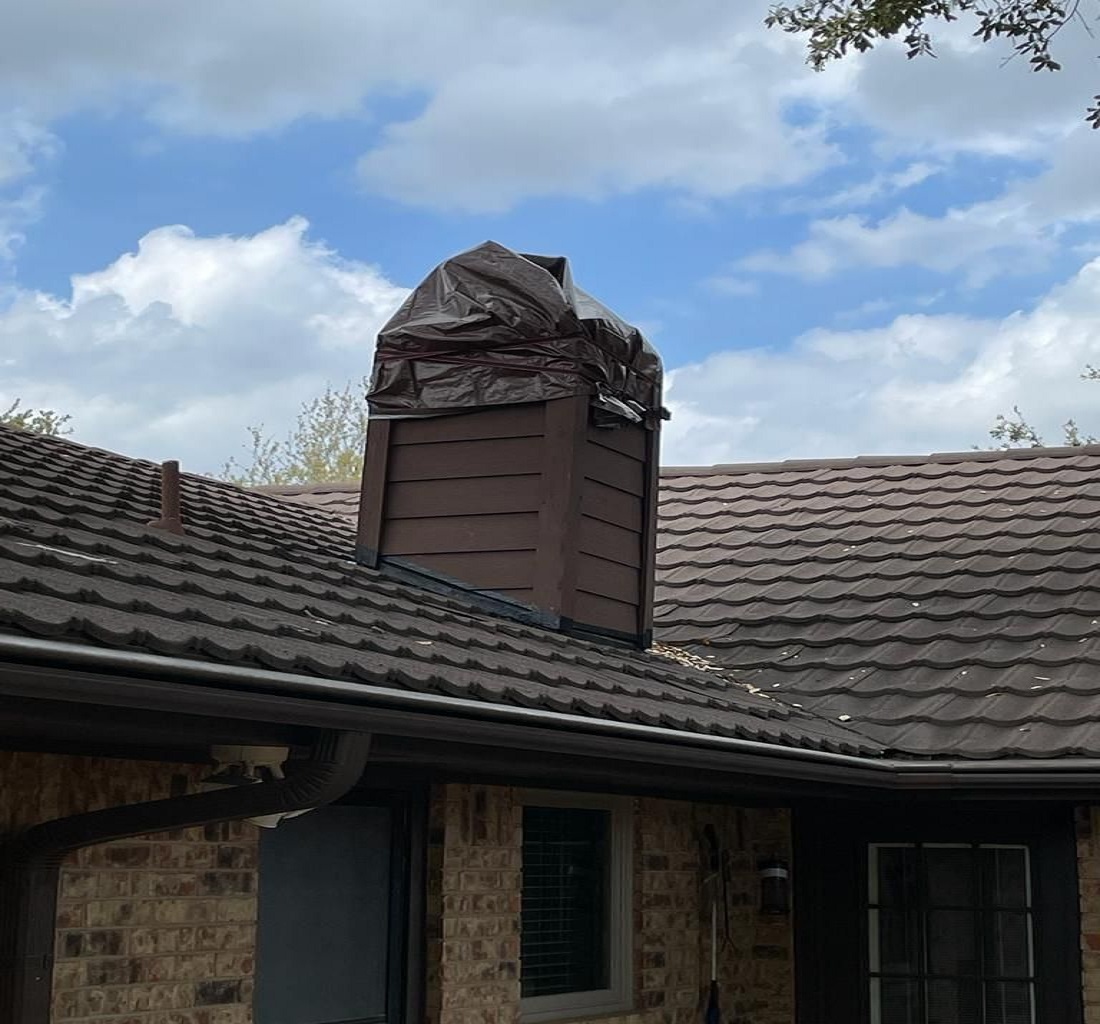
Purchasing a home in Houston is an exciting step, but it’s also a serious investment that comes with its fair share of responsibilities. While most buyers remember to schedule a general home inspection, many overlook one critical area: the chimney. Whether the house features a classic brick fireplace or a modern gas insert, the chimney system plays a significant role in safety and efficiency. Understanding what a chimney inspection entails and why it’s crucial can help Houston homebuyers make more informed decisions and avoid costly surprises down the road.
Why Chimney Inspections Are Essential for Houston Homebuyers
If you’re purchasing a home in Houston, chances are you’ll encounter properties that feature wood-burning or gas fireplaces. In a city where the weather can range from humid to stormy, a chimney that isn’t functioning properly isn’t just an inconvenience—it can be a hazard.
A Hidden Risk Factor
A chimney might look perfectly fine on the outside, but hidden dangers can lurk within. From flue cracks and missing caps to creosote buildup and water damage, these issues often go unnoticed until they escalate into expensive or dangerous problems. An inspection helps identify such risks before they turn into emergencies.
Beyond the Home Inspection
Standard home inspections only provide a surface-level view. Inspectors will likely shine a flashlight up the chimney, but they aren’t trained or equipped to do a full sweep and camera inspection of the flue. This is why a dedicated chimney inspection is so important.
Types of Chimney Inspections and When They’re Needed
There are three levels of chimney inspections, each tailored to different situations.
Level 1: Visual Assessment
Level 1 is the most basic and is recommended for chimneys that have been regularly maintained. It includes a visual examination of accessible parts but doesn’t go in-depth. If the current homeowner has kept up with annual cleanings and there are no known issues, this may suffice.
Level 2: Real Estate Transactions
For homebuyers, this is the inspection that matters most. Level 2 inspections are required during the sale or transfer of a property. They include all components of Level 1 but also incorporate camera inspections to assess the internal chimney flue. It’s a non-invasive, yet comprehensive way to uncover hidden defects.
Level 3: In-Depth Analysis
Level 3 inspections are rare but necessary when serious structural concerns are suspected. This may involve removing parts of the building or chimney to access concealed areas. While not typically needed for a standard purchase, it can become relevant if a Level 2 inspection uncovers red flags.
Common Problems Found During Chimney Inspections
Houston’s hot, humid climate and occasional storm surges can cause wear and tear on chimney systems. Here are some frequent issues uncovered during inspections:
Creosote and Soot Buildup
These flammable substances can accumulate over time, especially if the fireplace has been used regularly without cleaning. If not addressed, they pose a significant fire risk.
Structural Cracks and Deterioration
Chimney masonry is susceptible to cracking due to moisture infiltration and age. Small cracks can lead to major water damage or allow dangerous gases to escape into your home.
Animal Nesting and Blockages
Birds, squirrels, and even raccoons may find your chimney a cozy nesting place. Their presence can block ventilation and introduce unwanted bacteria or pests into your home.
Damaged or Missing Chimney Caps
A missing chimney cap exposes your system to water, debris, and animals. It’s a small component but one that plays a critical role in chimney health.
What an Inspection Report Should Include
After the inspection, the chimney professional will provide a report detailing findings, photos, and any recommended repairs or cleanings. If you’re considering a home purchase, this documentation can be a powerful negotiation tool—especially if repairs are needed.
The report should cover:
- Internal condition of the flue
- Exterior chimney structure
- Firebox and damper status
- Chimney cap or chase cover condition
- Clear photos with explanations of any issues found
Post-Inspection: What Next?
Once the inspection is complete, you may need to take action based on the results. If minor cleaning is recommended, that can typically be done before moving in. If major repairs are needed, you may want to request the seller handle them or adjust the sale price to accommodate.
In some cases, a simple chimney cleaning in Houston, Texas can restore functionality and safety quickly, especially if buildup is the primary concern.
How Often Should Chimneys Be Inspected?
Even after you purchase the home, chimney maintenance doesn’t stop there. According to the National Fire Protection Association (NFPA), chimneys should be inspected at least once a year. This ensures that no unexpected issues have arisen and keeps your heating system running safely.
Added Value: Peace of Mind and Protection
Spending a few hundred dollars on a chimney inspection may seem like an extra burden during the buying process, but it’s a worthwhile investment. It not only protects your health and property but can also give you the confidence to fully enjoy the home you’re purchasing.
Whether it’s your first home or your fifth, safety should always come first—and the chimney is no exception.
Want to stay up to date on how to protect your home and enjoy your fireplace with confidence? Follow the blog at Chimney Sweep & Fireplace Specialists – Texas Chimney LLC. Our team of certified professionals is here to help you make informed decisions and keep your chimney in top shape for years to come. Stay tuned for tips, advice, and updates tailored specifically for Houston homeowners.