

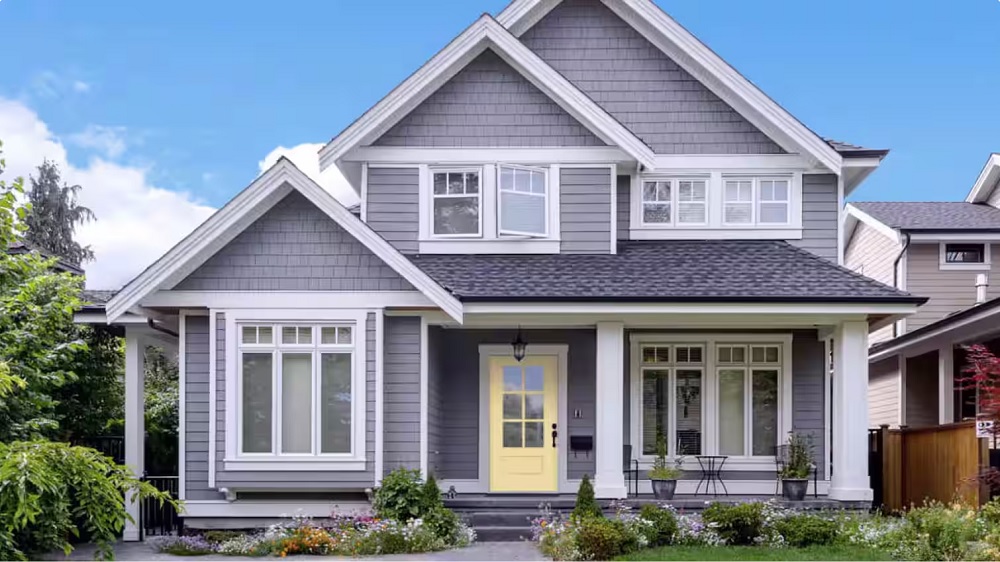
When it comes to homes or commercial properties, the exterior is more than just a facade—it’s the first conversation your space has with the world. An elegant, well-thought-out exterior is both a visual statement and a subtle invitation. It defines curb appeal, increases property value, and provides the canvas on which your architectural identity unfolds. While interiors speak of personal comfort, exteriors proclaim presence, style, and purpose. In this comprehensive guide, we explore the refined art of exterior design and share timeless tips to create a façade that leaves a lasting impression.
The Role of Exterior Design in Architecture
Exterior design is not merely about aesthetics. It integrates structure, environment, and lifestyle into one harmonious presentation. A well-designed exterior:
-
Enhances the architectural narrative of the building
-
Offers protection from environmental factors
-
Improves energy efficiency through material choices and layout
-
Sets the emotional tone before one even steps inside
Ultimately, it combines beauty with functionality, offering a balance between form and purpose.
Begin with Architectural Consistency
The first principle of exceptional exterior design is harmony with the architectural style. Whether your property is a modernist build, a colonial revival, or a rustic farmhouse, the exterior elements must remain true to the language of the architecture.
-
Use cohesive materials: For a contemporary home, opt for clean lines, concrete, glass, and steel. For more traditional homes, brick, stone, and wood work beautifully.
-
Maintain proportion: Ensure that windows, doors, and other structural elements align with the building’s size and geometry.
-
Honor heritage: When dealing with historical buildings, preserve original features where possible to retain authenticity.
Choose the Right Color Palette
Color has transformative power in exterior design. It can make a small home appear larger, blend a house with its natural surroundings, or turn a plain facade into a visual standout.
-
Neutral shades like taupe, charcoal, and soft white create a timeless, sophisticated look.
-
Earthy tones such as olive green, warm browns, and sand blend well in natural or wooded environments.
-
Bold accents like deep navy, forest green, or black can highlight architectural features without overwhelming the overall look.
When selecting colors, consider the region’s climate, the home’s surroundings, and how the tones appear at different times of the day under natural light.
Materials Matter: Invest in Quality
Material selection is paramount in exterior design, influencing not only aesthetics but durability and maintenance.
-
Wood: Offers warmth and texture; ideal for traditional and rustic styles. However, it requires sealing and maintenance to prevent weathering.
-
Brick and stone: These provide longevity and a sense of solidity, often used for more formal or classic designs.
-
Metal and glass: Preferred in modern or industrial-style homes, giving a sleek, minimalist appearance.
-
Stucco and fiber cement: Low-maintenance and versatile, great for both modern and Mediterranean exteriors.
Mixing materials can be effective, but balance is key. A well-considered combination adds dimension; a poorly executed one creates visual confusion.
Landscaping as a Design Partner
No exterior design is complete without the integration of thoughtful landscaping. It acts as the natural frame to your structure and enhances the mood of the entire property.
-
Define walkways with stone paths, gravel, or patterned concrete to create visual direction and flow.
-
Incorporate layered greenery with shrubs, flowering plants, and tall trees to add depth and seasonal interest.
-
Use lighting strategically—uplights, pathway lights, and architectural highlights extend usability into the evening and increase security.
Professional landscaping doesn’t have to be elaborate. Simplicity, symmetry, and a touch of wildness often outperform overdesigned gardens.
Doors and Windows: Statement Pieces
Windows and doors aren’t just functional—they’re focal points of exterior design. Their style, placement, and finish can dramatically affect the home’s character.
-
Front doors should reflect the home’s personality. A solid wood door with iron accents speaks to tradition, while a glass-paneled door suggests modern openness.
-
Window shapes and sizes should be consistent with architectural intent. Larger panes offer transparency and light; smaller windows provide privacy and intimacy.
-
Use symmetry or deliberate asymmetry depending on your style. Both approaches can be powerful when used intentionally.
Adding shutters, window boxes, or custom trim can further enhance these features without requiring major renovations.
Lighting: The Finishing Touch
Exterior lighting does more than illuminate—it enhances architectural features, sets a welcoming tone, and boosts safety.
-
Wall-mounted lanterns on either side of the door add symmetry and traditional charm.
-
Recessed lights under eaves or steps offer subtle, modern lighting.
-
Landscape lighting can emphasize garden elements, trees, or water features to create a dramatic evening ambiance.
Using warm white lighting gives a cozy, inviting feel, while cool tones lend a more modern edge.
Sustainability and Smart Design
With increasing awareness of environmental responsibility, sustainable exterior choices are both a moral and economic investment.
-
Install solar panels where feasible to reduce long-term energy costs.
-
Use sustainable materials like reclaimed wood, recycled steel, or eco-friendly composites.
-
Implement rainwater harvesting systems or green roofs for environmental impact and aesthetic interest.
Designing with sustainability in mind not only benefits the planet but also appeals to the values of future buyers.
Personal Touches and Seasonal Flourishes
The final layer of exterior design is personalization. These thoughtful additions breathe life into a facade and tell the world who you are.
-
Install a charming mailbox, house number plaque, or a custom door knocker.
-
Use seasonal decor like wreaths, flower pots, or lanterns to keep the entry fresh year-round.
-
Maintain cleanliness—a power-washed walkway and well-trimmed hedges speak volumes about pride of ownership.
Conclusion: Exterior as a Reflection of Lifestyle
A beautifully designed exterior is more than curb appeal—it’s a declaration of taste, an invitation into your world, and a celebration of architectural integrity. It should complement the natural surroundings, serve the practical needs of the inhabitants, and evoke a sense of place and belonging. Whether you’re building anew or refreshing the look of your existing property, let your exterior design be a thoughtful expression of grace, timelessness, and identity.