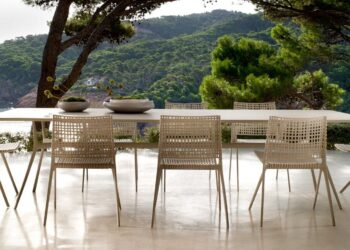


Furniture, in its truest form, is more than just functional—it is the soul of a living space. It speaks of personality, tells a silent story of comfort, craftsmanship, and taste, and anchors our daily lives with familiarity and ease. From stately armchairs to sleek modern consoles, furniture shapes how we move through a room and how that room, in turn, makes us feel. In an age of fast trends and disposable decor, choosing furniture with intention is an art. This article serves as a masterclass in furnishing a home with elegance, substance, and enduring appeal.
Understanding Furniture as an Extension of Lifestyle
The first step in thoughtful furnishing is recognizing that furniture is not merely decor—it is a living component of your lifestyle. Every piece should reflect how the space is used, who will be using it, and how it can support both form and function.
-
For families, durability and comfort take precedence. Stain-resistant fabrics, rounded corners, and modular storage pieces become key.
-
For entertainers, statement pieces such as expansive dining tables or plush sectionals help create a welcoming, social atmosphere.
-
For minimalists, multifunctional furniture with sleek lines and hidden compartments blends aesthetics with efficiency.
Understanding your lifestyle paves the way for choices that resonate beyond surface-level beauty.
Invest in Craftsmanship: Quality Over Quantity
One of the defining traits of sophisticated interiors is the emphasis on quality. A single handcrafted piece can elevate an entire room more than a dozen fast-fashion items ever could.
-
Hardwood frames (like oak, walnut, or teak) provide longevity and strength, especially for large items such as sofas and beds.
-
Mortise and tenon joints or dovetail joints in woodwork indicate skilled construction and structural integrity.
-
Natural upholstery fabrics such as linen, leather, or wool age beautifully and offer better breathability and texture than synthetics.
Good furniture should not only survive trends but age gracefully, becoming heirlooms rather than landfill.
The Art of Balance: Style Meets Function
Successful furniture design balances aesthetics with utility. A visually stunning chair that’s impossible to sit in, or a beautiful console with no storage, fails its fundamental purpose. Think of each room as a harmony of comfort, utility, and visual flow.
-
In living rooms, combine soft textures with defined shapes. A deep-seated sofa paired with a glass-top coffee table creates contrast and balance.
-
In bedrooms, choose a bed frame that supports your mattress well while echoing your design taste—whether it’s upholstered, wooden, or minimalist metal.
-
In home offices, an ergonomic chair and desk setup is essential, but don’t compromise on style. Mid-century silhouettes, brass hardware, or natural wood finishes can make a workspace feel curated, not corporate.
Curating Rather Than Cluttering
Elegance is often found in restraint. Avoid overcrowding your space with too many pieces. Instead, curate with care. Think of furniture as punctuation in a story—placed deliberately and with intent.
-
Leave breathing room between major items to enhance flow and light.
-
Choose a focal point in each room—this could be a statement couch, an antique cabinet, or a sculptural dining table—and build the surrounding furniture to complement it.
-
Avoid matching sets—coordinated pieces can look generic. Mixing textures, finishes, and eras adds depth and interest.
A well-edited space feels more deliberate, lived-in, and uniquely yours.
Mixing Eras and Styles with Confidence
One of the hallmarks of refined interiors is the ability to mix furniture from different periods and styles seamlessly. Done well, this technique adds character and sophistication.
-
Pair a vintage Chesterfield sofa with a sleek modern coffee table for a conversation-starting contrast.
-
Mix rustic wooden dining tables with contemporary acrylic or metal chairs to blend old-world charm with modern minimalism.
-
Layer antique sideboards with abstract art or modern lighting to create a dialogue between the past and present.
This approach requires confidence and an eye for scale and tone, but when executed with balance, the results are both captivating and timeless.
Color and Texture: Silent Storytellers
Color and texture may not be the first things we notice in furniture, but they shape our sensory experience in profound ways. Warm woods, cool metals, and soft fabrics each evoke different emotions and create a layered ambiance.
-
Neutrals and earth tones offer a timeless foundation and make it easy to switch out accents with the seasons.
-
Bold-colored pieces, like a deep blue velvet sofa or a mustard accent chair, can inject energy without overwhelming a room.
-
Contrasting textures—smooth leather, rough linen, polished brass—create tactile richness and invite touch and interaction.
These elements work together to subtly elevate a space from nice to unforgettable.
Sustainability in Furniture: Conscious Choices
Today’s furniture buyers are not only aesthetes but also environmental stewards. Sustainability in furniture means choosing pieces that are responsibly made, ethically sourced, and built to last.
-
Look for FSC-certified wood, which ensures the timber was harvested sustainably.
-
Choose local artisans or furniture makers to support regional economies and reduce transportation emissions.
-
Repurpose or upcycle—a well-restored vintage piece can carry history while reducing your carbon footprint.
A sustainable mindset adds moral depth to your aesthetic sensibility, making your furniture choices feel even more intentional and rewarding.
Final Flourishes: Accessories and Accents
Furniture creates the structure of a room, but accessories give it life. Complement your core pieces with thoughtful additions that enhance the overall narrative.
-
Add layered lighting through floor lamps, sconces, or tabletop lighting to highlight different areas and moods.
-
Use rugs to define zones and introduce warmth or color beneath furniture groupings.
-
Style shelves and tabletops with books, ceramics, greenery, or personal treasures for an inviting, lived-in look.
Accessories are the final note in your furniture composition, offering an opportunity to refresh your space seasonally or evolve it as your taste matures.
Conclusion: Furniture as a Living Language
More than just objects to sit on or store things in, furniture speaks a language of culture, identity, and intention. It frames our daily rituals and gives shape to our living environments. To choose furniture well is to understand not just design, but life itself—its comforts, rhythms, and aesthetics. With careful selection, respect for craftsmanship, and an eye for harmony, your furniture can transform not only your rooms but also the way you live within them.