

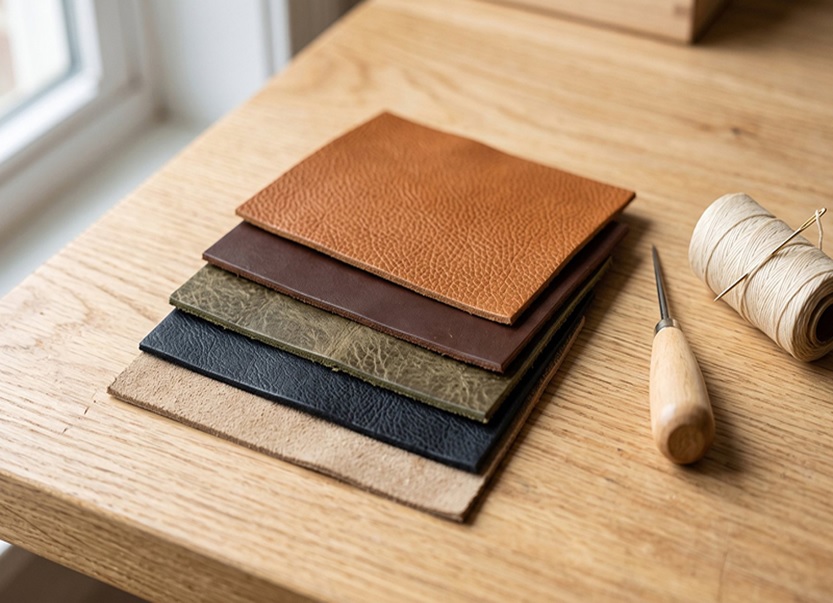
A leather sofa often becomes the centrepiece of a living room, so its colour has a strong influence on the overall look of the space. A shade that looks stunning on its own may clash with your flooring, cabinets or dining set once it arrives at home. Since leather is a long-term investment, colour deserves careful thought. Whether you are considering a classic brown or a bold green leather couch in Singapore, a few simple checks can help you predict how well it will sit alongside the furniture you already own.
Identify the Undertones in Your Room
Every room has an overall colour temperature. Warm undertones include yellows, oranges, reds and honey-toned wood, while cool undertones include greys, blues, greens and white-washed finishes. Leather comes in both warm shades, such as cognac, tan and chestnut, and cooler ones, such as charcoal, navy or slate grey. Matching the sofa’s undertone to the room usually creates a harmonious feel, while deliberately contrasting them can add visual interest if balanced carefully.
Consider the Wood and Metal Finishes Around It
Coffee tables, TV consoles, shelving and flooring all influence how a sofa’s colour reads. Rich walnut or teak furniture often pairs well with caramel and dark brown leather, while light oak or Scandinavian-style pieces suit softer tans, creams and greys. Metal accents matter too. Brass and gold tend to complement warm leathers, while chrome and black metal often suit cooler or darker shades.
Decide Whether the Sofa Should Blend In or Stand Out
Think about the role you want the sofa to play. A neutral leather sofa in beige, taupe or grey can blend seamlessly with existing furniture and allow artwork or accessories to take centre stage. A statement colour, such as emerald, burgundy or mustard, can become the focal point of the room, but it works best when surrounding pieces are more neutral.
Bring Samples and Photos When You Shop
Memory can be unreliable when it comes to colour. That said, before visiting a furniture showroom in Singapore, take photos of your living room in natural daylight and bring along small samples, such as a cushion cover, a piece of flooring offcut or a paint swatch. Holding leather swatches next to these items in the showroom gives a far more accurate sense of how the colours will work together. Many retailers also offer leather swatches that you can take home to test against your own furniture.
View the Colour Under Different Lighting
Showroom lighting is often bright and warm, which can make leather appear richer than it will at home. If possible, view swatches near a window or under neutral lighting. At home, check how the swatch looks in the morning, afternoon and evening, as natural light and artificial bulbs can shift the colour noticeably. Rooms with cool white lighting may make warm leather look duller, while warm lighting can deepen browns and reds. Photographing the swatch in each setting can make comparisons easier.
Think About How the Colour Will Age
Many types of leather develop a patina over time, gradually darkening or softening in tone with use and exposure to sunlight. Aniline and semi-aniline leathers are particularly prone to this change, while pigmented leathers usually keep their colour more consistently. Considering how the sofa may look in a few years helps ensure it continues to complement your furniture as both age. Asking which leather type is used can help set realistic expectations, and regular conditioning may also help preserve the colour.
A Harmonious Space for Years to Come
The right colour does more than match. It ties a room together and makes the whole space feel considered and welcoming. Remember, by studying undertones, finishes, lighting and long-term ageing, you can choose a piece that blends naturally with your existing décor and continues to look beautiful for many years.
Ready to find the ideal piece for your home? Contact Casa Concetto today with your photos and swatches to get expert recommendations in person.